Vitamin E is a potent fat-soluble antioxidant that protects cell membranes from oxidative damage, supports immune function and helps keep blood vessels healthy — but the evidence for high-dose supplementation in preventing heart disease, cancer or dementia is consistently weaker than its biological importance might suggest. Getting enough from food ensures the protective functions that vitamin E genuinely provides. Taking high-dose supplements in the hope of disease prevention is a different story — and the NIH’s summary of the research is clear: the best studies find little or no benefit beyond adequate intake, and in some cases find harm.
Key Takeaways
- Vitamin E is a fat-soluble antioxidant that protects cell membrane lipids from oxidative chain reactions caused by UV radiation, pollution and metabolic processes.
- It works synergistically with vitamin C — vitamin C regenerates oxidised vitamin E, making the two antioxidants more effective together.
- The adult RDA is 15 mg per day (about 22 IU of natural vitamin E); the NIH upper limit is 1,000 mg per day from supplements.
- The NIH states that high-dose vitamin E supplements have not been proven to prevent heart disease, cancer or dementia — and the HOPE and SELECT trials found neutral-to-harmful effects at high doses.
- Deficiency is rare in healthy adults eating a varied diet — it mainly occurs with fat malabsorption conditions.
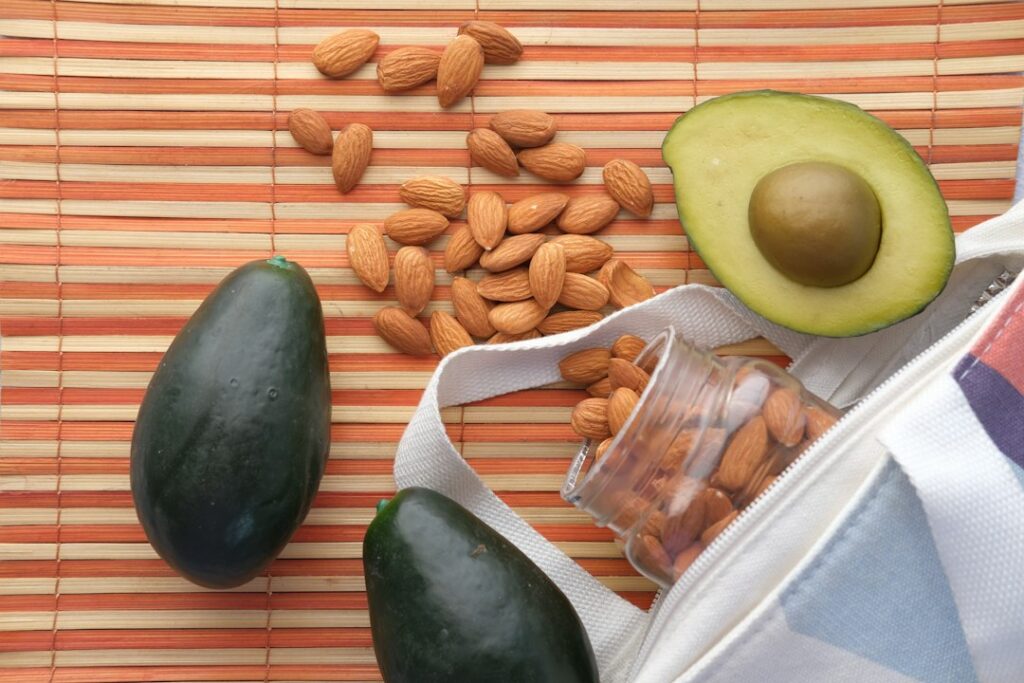
- Sunflower seeds, almonds, hazelnuts and sunflower or safflower oil are the richest food sources.
What Vitamin E Does in the Body
Vitamin E is the collective name for eight related fat-soluble compounds — four tocopherols and four tocotrienols — of which alpha-tocopherol is the form the liver preferentially maintains in circulation and the form used in supplement RDAs. It is stored in cell membranes, adipose tissue and the liver.
Its primary role is as a chain-breaking antioxidant. When free radicals attack polyunsaturated fatty acids in cell membranes (a process called lipid peroxidation), a single free radical can trigger a damaging chain reaction through membrane lipids. Vitamin E breaks this chain by donating a hydrogen atom to the free radical, neutralising it before it can damage the next molecule. This function is most important in tissues with high metabolic activity and high exposure to oxidative stress — the lungs, immune cells and retinal photoreceptors.

Immune Function
Vitamin E is important for normal immune function. Immune cells are highly susceptible to oxidative damage because of their high metabolic rate and the reactive oxygen species they produce during pathogen killing. Vitamin E protects these cells from their own oxidative activity. According to the NIH, vitamin E deficiency impairs immune function, and adequate vitamin E intake is associated with better immune responses in older adults.
For the full picture of immune-supporting nutrients see our guide on foods that boost your immune system.
Vitamin E and Heart Disease: What the Evidence Actually Shows
This is where the gap between vitamin E’s biological importance and its clinical supplementation record is most striking. Epidemiological studies in the 1990s found that people who ate more vitamin E from food had lower heart disease rates. This led to widespread supplementation — and to large clinical trials that produced disappointing results.
The HOPE trial (Heart Outcomes Prevention Evaluation, 2000) found no cardiovascular benefit from 400 IU vitamin E daily in high-risk patients over 4.5 years. A follow-up HOPE-TOO trial found a higher risk of heart failure in the vitamin E group. The Women’s Health Study, a randomised trial of 600 IU vitamin E every other day in 39,876 women, found no significant effect on cardiovascular events or cancer over 10 years. The NIH’s current position, citing these and other large trials, is that vitamin E supplements do not appear to prevent cardiovascular disease and are not recommended for that purpose.
The leading explanation for why food-based vitamin E correlates with lower heart disease but supplemental vitamin E does not is confounding: people who eat vitamin E-rich foods (nuts, seeds, olive oil) also eat better overall diets. The vitamin E in those foods is one marker of a dietary pattern that reduces heart risk — not the mechanism itself.
Vitamin E and Cancer
The SELECT trial (Selenium and Vitamin E Cancer Prevention Trial) tested 400 IU vitamin E daily in 35,533 healthy men and found not only no cancer prevention benefit but a statistically significant increase in prostate cancer risk in the vitamin E group. The trial was stopped early on safety grounds. The NIH now states that vitamin E supplements should not be used for cancer prevention and may increase risk in certain populations.
Vitamin E and Skin Health
Topical vitamin E is widely used in skincare products, and the evidence for skin health is more positive than for systemic disease prevention. Vitamin E in combination with vitamin C provides measurable UV protection, reduces sunburn cell formation and supports wound healing when applied topically. Oral vitamin E, when paired with vitamin C and taken at dietary levels, supports skin antioxidant status — relevant for photoageing and collagen maintenance. For more on the nutrients that support skin health see our guide on the best vitamin for skin.
How Much Vitamin E Do You Need?
| Group | Daily RDA (NIH) |
|---|---|
| Adults (19+) | 15 mg (22 IU natural / 33 IU synthetic) |
| Breastfeeding women | 19 mg |
| Upper limit (all adults) | 1,000 mg/day from supplements |
Note: natural vitamin E (d-alpha-tocopherol) is more potent than synthetic (dl-alpha-tocopherol) — 1 mg natural = 1.49 IU; 1 mg synthetic = 1.1 IU. Many supplement labels use IU, which can make comparison confusing. Look for mg of d-alpha-tocopherol for the natural form.
Best Food Sources of Vitamin E
- Sunflower seeds (1 oz): 7.4 mg — 49% of the RDA
- Almonds (1 oz): 7.3 mg
- Sunflower oil (1 tbsp): 5.6 mg
- Hazelnuts (1 oz): 4.3 mg
- Peanut butter (2 tbsp): 2.9 mg
- Spinach (half cup, boiled): 1.9 mg
- Avocado (half): 2.1 mg
Most adults eating nuts, seeds and vegetable oils regularly will meet the RDA from food without supplementation. Vitamin E is fat-soluble and absorbs best when eaten alongside dietary fat — which is rarely an issue since its best food sources are naturally high in fat.
Who Might Actually Need a Vitamin E Supplement?
True vitamin E deficiency is uncommon in healthy adults. The groups most at risk are people with fat malabsorption conditions where fat-soluble vitamins cannot be properly absorbed:
- People with cystic fibrosis
- People with Crohn’s disease or short bowel syndrome
- People with abetalipoproteinemia (a rare genetic condition affecting fat absorption)
- Premature infants (who are born with low vitamin E stores)
In these cases, vitamin E supplementation under medical supervision is genuinely appropriate. For the general healthy population, a standard multivitamin providing around 100 percent of the daily value for vitamin E is a reasonable safety net without approaching the doses associated with harm in the major clinical trials.
Frequently Asked Questions
What does vitamin E actually do?
Vitamin E protects cell membranes from oxidative damage as a fat-soluble chain-breaking antioxidant, supports immune cell function, helps maintain blood vessel health by preventing platelet aggregation, and works synergistically with vitamin C to provide broader antioxidant coverage. It is particularly important in tissues with high oxidative stress — lungs, immune cells and the retina.
Is it worth taking vitamin E supplements?
For most healthy adults eating a varied diet that includes nuts and seeds, supplementation is unnecessary. Large clinical trials have not found benefits for heart disease or cancer prevention and have found potential harms at high doses. A modest amount from a standard multivitamin is reasonable. High-dose standalone vitamin E supplements are not recommended by the NIH without a specific medical reason.
What is the difference between natural and synthetic vitamin E?
Natural vitamin E is labelled d-alpha-tocopherol; synthetic is dl-alpha-tocopherol. Natural vitamin E is roughly twice as potent per milligram for raising and maintaining blood levels. The liver preferentially retains the natural form. For supplements, d-alpha-tocopherol is the more bioactive choice.
Can vitamin E be harmful?
At the NIH upper limit of 1,000 mg per day, vitamin E can inhibit platelet aggregation and potentially increase bleeding risk — particularly in people taking blood-thinning medications like warfarin. The SELECT trial found increased prostate cancer risk in healthy men taking 400 IU per day long-term. High-dose vitamin E is not recommended without medical supervision.
Final Thoughts
Vitamin E earns its essential status as a cell membrane protector, immune supporter and antioxidant partner to vitamin C. The evidence for getting enough from food — nuts, seeds, olive oil, leafy greens — is strong and consistent. The evidence for high-dose supplementation preventing heart disease or cancer has been tested in large randomised trials and found wanting — in some cases harmful. The most evidence-backed approach is meeting the modest 15 mg RDA from food, pairing vitamin E foods with vitamin C sources to leverage the antioxidant recycling partnership, and leaving high-dose supplement use to the clinically deficient.
This article is for educational purposes only and is not a substitute for professional medical advice, diagnosis or treatment.