Zinc is one of the most fundamental minerals for immune function — it is required for the development, growth and activation of virtually every type of immune cell. T cells, B cells, natural killer cells, neutrophils and macrophages all depend on zinc to function correctly. When zinc levels fall, even mildly, the immune system’s ability to respond to infection weakens noticeably. This is not a fringe supplement claim — it is well-established nutritional immunology, backed by decades of research from the NIH and leading immunologists.
Key Takeaways
- Zinc is required for the normal development and function of neutrophils, natural killer cells, T cells and B cells.
- Even mild zinc deficiency suppresses immune responses — reducing T cell numbers, antibody production and the activity of natural killer cells.
- The adult RDA is 11 mg per day for men and 8 mg per day for women. The upper limit is 40 mg per day.
- Long-term intake above 40 mg per day depletes copper, which paradoxically weakens the immune system further.
- People most at risk of zinc deficiency include older adults, vegetarians and vegans, people with digestive conditions and heavy drinkers.
- Zinc lozenges (not capsules) have modest evidence for shortening cold duration when started within 24 hours of symptoms.
How Zinc Supports the Immune System
Zinc does not have a single immune role — it supports the entire immune machinery. The NIH Office of Dietary Supplements identifies zinc as essential for normal development and function of cells of both the innate and adaptive immune systems.
In the innate immune system (the first responder), zinc is required for neutrophils to chemotax toward infection sites, for natural killer cells to destroy infected cells, and for macrophages to engulf and kill pathogens. In the adaptive immune system (the targeted response), zinc is needed for T cells to mature in the thymus, for T cell proliferation in response to infection, and for B cells to produce antibodies.
Zinc deficiency causes the thymus gland — where T cells develop — to shrink (atrophy), reducing the output of new T cells. This is why zinc deficiency is particularly problematic in older adults, where T cell production is already declining with age.

Does Zinc Actually Reduce Colds?
This is where the evidence is most specific and most nuanced. Zinc lozenges (not capsules or tablets) that deliver zinc directly to the throat and nasal mucosa have shown modest but consistent effects in reducing cold duration when started within 24 hours of symptom onset. A Cochrane review and subsequent meta-analyses found reductions in cold duration of about one day on average.
The key details matter: the zinc must be in lozenge form that dissolves in the mouth, it should be started at the first sign of symptoms, and doses used in positive trials ranged from 75 to 100 mg per day of elemental zinc for the duration of the cold. This is well above the daily RDA and the upper limit, so it is a short-term therapeutic use — not a sustained daily dose.
High-dose zinc supplements taken preventively to avoid getting sick have less evidence. Correcting an underlying zinc deficiency is the strongest and most clearly supported immune strategy.
How Much Zinc Do You Need?
| Group | Daily RDA (NIH) | Note |
|---|---|---|
| Men (19+) | 11 mg | — |
| Women (19+) | 8 mg | — |
| Pregnant women | 11 mg | — |
| Vegetarians/vegans | 1.5x the standard RDA | Lower absorption from plant sources due to phytates |
| Upper limit (all adults) | 40 mg/day | Long-term excess depletes copper |
Why Too Much Zinc Backfires
Zinc and copper compete for absorption in the gut. Long-term intake above 40 mg per day consistently depletes copper, and copper deficiency itself causes immune dysfunction — including reduced white blood cell counts and impaired natural killer cell activity. People taking high-dose zinc supplements for months on end in the belief they are boosting immunity may actually be undermining it through copper depletion. Standard multivitamins and zinc supplements at the 11 mg level do not cause this problem; the risk arises with sustained doses of 50 mg or more per day.
For more on how zinc and magnesium work together for immune and sleep health, see our guide on zinc and magnesium benefits.
Who Is Most at Risk of Zinc Deficiency?
- Older adults: absorption declines with age, dietary intake tends to fall, and the immune consequences are most pronounced
- Vegetarians and vegans: plant foods contain phytates that bind zinc and reduce absorption by up to 35 percent compared to animal sources. The NIH recommends that vegetarians aim for 1.5 times the standard RDA
- People with Crohn’s disease, ulcerative colitis or coeliac disease: gut inflammation impairs zinc absorption and can increase losses
- Heavy alcohol drinkers: alcohol reduces zinc absorption and increases urinary zinc excretion
- People on certain medications: diuretics increase zinc excretion; ACE inhibitors and some antibiotics can interact with zinc
Best Food Sources of Zinc
Zinc from animal foods absorbs more efficiently than from plants because animal proteins help release zinc from food structures and plant foods contain phytates that inhibit absorption.
- Oysters: the richest source — around 74 mg per 3 oz serving (well above the daily RDA in one serving)
- Red meat: beef and lamb, around 5 to 7 mg per 3 oz
- Poultry: chicken and turkey, around 2 to 3 mg per 3 oz
- Shellfish: crab and lobster, around 3 to 4 mg per serving
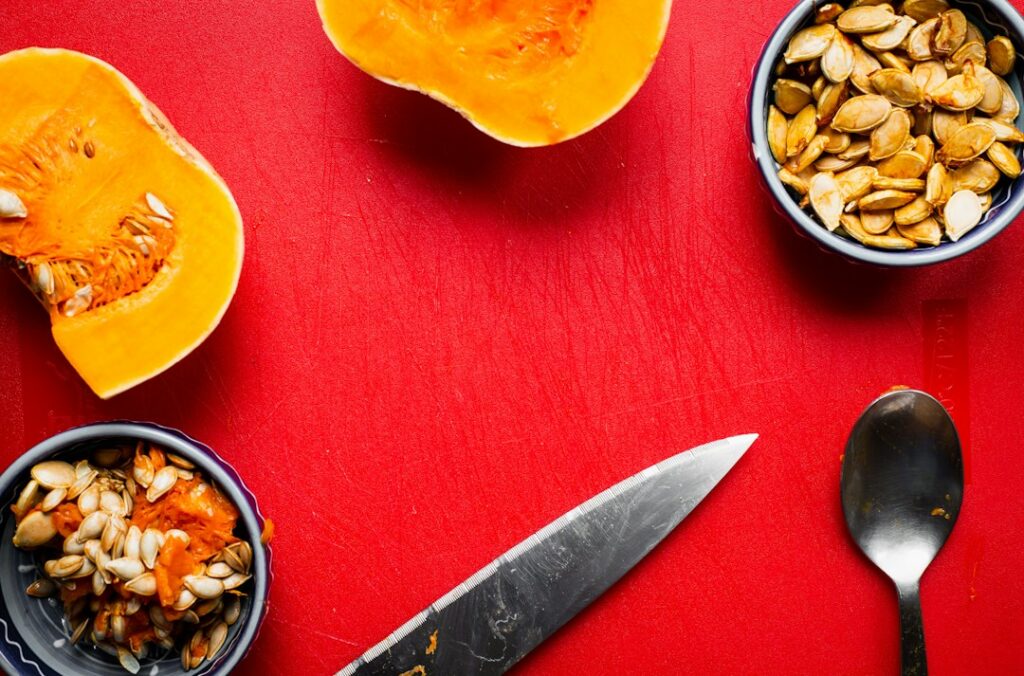
- Pumpkin seeds: around 2.2 mg per ounce — the best plant source
- Beans and lentils: around 1 to 2 mg per half cup cooked
- Fortified cereals: many provide 25 to 100 percent of the daily zinc RDA per serving
For people eating a varied diet that includes some animal protein, reaching the zinc RDA from food is straightforward. For vegetarians and vegans, soaking and sprouting beans, lentils and seeds reduces phytate content and improves zinc absorption. Pairing zinc-rich plant foods with vitamin C also improves the gut environment for absorption.
For a broader look at immune-supporting nutrients and foods, see our guide on foods that boost your immune system.
Zinc and Immune Ageing
One of the most consistent findings in zinc research is its role in immune ageing (immunosenescence) — the progressive decline in immune function that makes older adults more vulnerable to infections, slower to heal and less responsive to vaccines. Clinical trials in zinc-deficient adults over 60 found that zinc supplementation (10 mg per day) improved T cell numbers and function, improved responses to vaccination, and reduced the rate of infections. This is the group where zinc supplementation has the clearest and most clinically meaningful evidence.
Frequently Asked Questions
Does zinc really boost the immune system?
In people who are deficient, yes — correcting zinc deficiency meaningfully restores immune cell function. In people who are already replete, supplementing beyond the RDA is unlikely to produce additional immune benefits and risks copper depletion at higher doses. The term “boost” is misleading for people who are nutritionally replete; restoring adequate levels is the accurate framing.
How long does it take for zinc to improve immunity?
Studies in zinc-deficient older adults found measurable improvements in T cell numbers and function after 6 to 12 weeks of supplementation. For acute cold treatment using lozenges, effects are expected within the first few days of use.
Should I take zinc with vitamin C for immunity?
Both nutrients support immune function through different mechanisms, so they are complementary. There is no interaction between them at standard doses. Our guides on how much vitamin C per day you need and foods that boost your immune system cover both nutrients in detail.
Can you get enough zinc from a vegetarian diet?
Yes, but it requires more planning. The NIH recommends that vegetarians aim for 1.5 times the standard zinc RDA because plant-based phytates reduce absorption. Soaking beans, lentils and seeds before cooking, choosing sprouted grains and consuming zinc-rich plant sources like pumpkin seeds regularly all help close the gap.
Final Thoughts
Zinc’s role in immune function is not a wellness trend — it is biochemical fact, established over decades of research. Virtually every immune cell type depends on zinc for normal development and function, and even mild deficiency suppresses immune responses in measurable ways. Getting enough from food — ideally including some animal-source zinc for better absorption — meets most adults’ needs without supplementation. Older adults, vegetarians and people with gut conditions have the clearest reason to check their zinc status and supplement if needed. And if you are reaching for zinc at the first sign of a cold, use lozenges rather than capsules, start within 24 hours, and keep the high-dose use short.
This article is for educational purposes only and is not a substitute for professional medical advice, diagnosis or treatment.