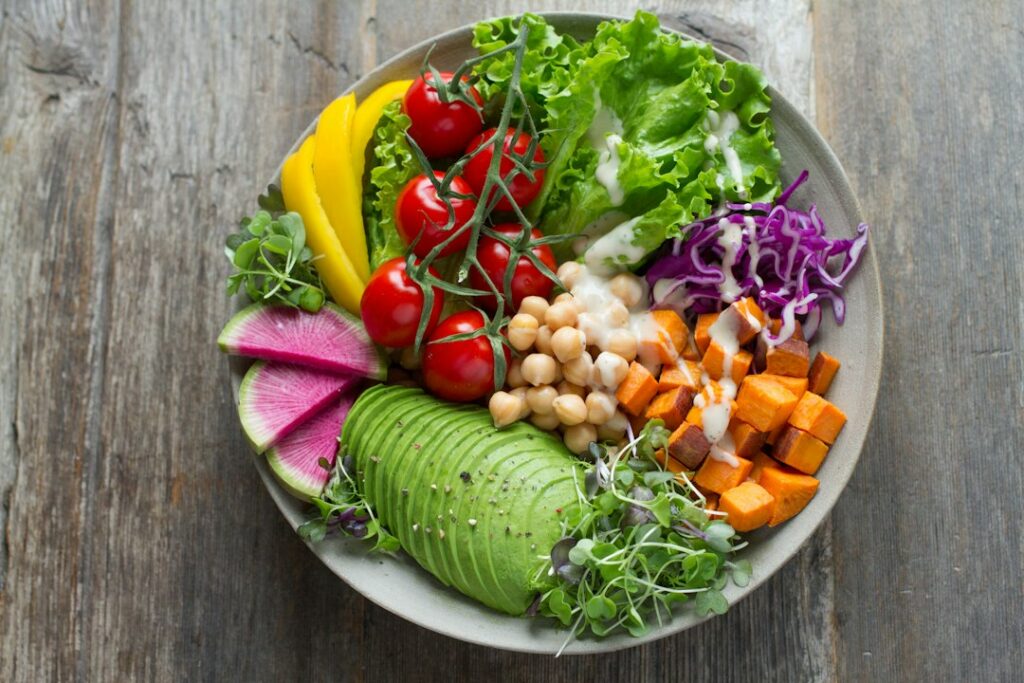
Five vitamins have the strongest evidence for skin health: vitamin A (and its retinoid derivatives), vitamin C, vitamin D, vitamin E and vitamin B3 (niacinamide). Each works through a different mechanism — from collagen synthesis to cell turnover to barrier protection — and none works in isolation. The honest picture is that a nutritious diet covering all five, combined with targeted topical application, delivers the most reliable results. High-dose supplementation of any single vitamin rarely outperforms a good dietary foundation unless a real deficiency is corrected.
Key Takeaways
- Vitamin A (retinoids) is the most evidence-backed nutrient for anti-ageing skin effects, with decades of clinical trial data for topical retinol and prescription retinoids.
- Vitamin C is essential for collagen synthesis and protects skin against UV-induced oxidative damage — both topically and orally.
- Vitamin D supports skin cell proliferation, immune defence in the skin, and barrier function.
- Vitamin E works synergistically with vitamin C to protect cell membranes from oxidative damage.
- Niacinamide (vitamin B3) strengthens the skin barrier, reduces redness, minimises pores and is well tolerated by all skin types.
- A 2025 review published in IntechOpen confirmed that vitamins A, C and E together with niacinamide are the most consistently recommended nutrients for skin health.
Vitamin A: The Gold Standard for Skin Renewal
Vitamin A and its derivatives (retinoids) have the most extensive clinical evidence of any nutrient for skin health. Retinoids stimulate cell turnover — accelerating the replacement of old skin cells with new ones — and increase collagen production in the dermis. Prescription-strength retinoids such as tretinoin are the only topical treatment with multiple large randomised trials showing measurable reductions in fine lines, wrinkles, dark spots and rough texture.
Over-the-counter retinol is the same molecule in a lower concentration that the skin must first convert to retinoic acid. The effect is real but gentler and slower than prescription forms. Dietary vitamin A from animal sources (liver, eggs, dairy) provides retinol directly, while plant sources (carrots, sweet potato, leafy greens) provide beta-carotene, which the body converts to retinol at lower efficiency.
Important safety note: vitamin A is fat-soluble and accumulates in the body. The adult upper limit is 3,000 mcg RAE per day for supplements. Oral retinoid medications (isotretinoin, acitretin) are prescription-only and cause severe birth defects — women of childbearing age must use reliable contraception if taking them.
%3C/text%3E%3Crect x='30' y='111' width='680' height='44' rx='8' fill='%23f3d9a4' stroke='%23b88a2a' stroke-width='2'/%3E%3Ctext x='150' y='138' font-family='Arial,sans-serif' font-size='13' font-weight='bold' fill='%231f2933' text-anchor='middle'%3EVitamin C%3C/text%3E%3Ctext x='470' y='138' font-family='Arial,sans-serif' font-size='12' fill='%231f2933' text-anchor='middle'%3ECollagen cofactor, antioxidant, brightening, UV damage protection%3C/text%3E%3Crect x='30' y='167' width='680' height='44' rx='8' fill='%23e8f5e9' stroke='%2366bb6a' stroke-width='2'/%3E%3Ctext x='150' y='194' font-family='Arial,sans-serif' font-size='13' font-weight='bold' fill='%231f2933' text-anchor='middle'%3EVitamin E%3C/text%3E%3Ctext x='470' y='194' font-family='Arial,sans-serif' font-size='12' fill='%231f2933' text-anchor='middle'%3EFat-soluble antioxidant, synergistic with C, membrane protection%3C/text%3E%3Crect x='30' y='223' width='680' height='44' rx='8' fill='%23f0e6ff' stroke='%239b59b6' stroke-width='2'/%3E%3Ctext x='150' y='250' font-family='Arial,sans-serif' font-size='13' font-weight='bold' fill='%231f2933' text-anchor='middle'%3ENiacinamide (B3)%3C/text%3E%3Ctext x='470' y='250' font-family='Arial,sans-serif' font-size='12' fill='%231f2933' text-anchor='middle'%3EBarrier strength, pore size, redness, ceramide production, gentle%3C/text%3E%3C/svg%3E)
Vitamin C: Collagen Builder and Antioxidant
Vitamin C is required for collagen synthesis — without it, the enzymes that stabilise collagen cannot function and skin structure weakens. This is the biochemical reason scurvy destroys connective tissue. For skin health, vitamin C protects against UV-induced free radical damage that accelerates collagen breakdown and hyperpigmentation, brightens uneven skin tone by inhibiting melanin production, and supports wound healing. A 2024 RCT found that 80 mg of vitamin C daily combined with collagen peptides for 16 weeks significantly improved dermis density and reduced wrinkle severity.
Topically, vitamin C serums (in stable forms like ascorbic acid or ascorbyl glucoside, at 10 to 20 percent concentration) protect skin cells directly where applied. Oral vitamin C ensures the collagen-building machinery in the dermis is always supported. Both routes are complementary. For the full story on vitamin C and skin structure, see our guide on vitamin C and collagen, and for daily dosing see how much vitamin C per day you actually need.
Vitamin D: Skin Cell Regulation and Barrier Function
Vitamin D receptors are present throughout the skin, and vitamin D plays a role in regulating how keratinocytes (the main cells of the outer skin layer) grow, differentiate and die in an orderly fashion. Low vitamin D is associated with impaired skin barrier function, slower wound healing and increased susceptibility to inflammatory skin conditions including eczema and psoriasis. The skin is also where vitamin D is made from sunlight — a feedback system that connects sun exposure, skin health and vitamin D status simultaneously.
Our guide on 7 warning signs of vitamin D deficiency includes skin-related symptoms, and our guide on vitamin D3 and K2 benefits covers optimal dosing.
Vitamin E: The Fat-Soluble Skin Protector
Vitamin E (tocopherol) is a fat-soluble antioxidant that accumulates in cell membranes, where it neutralises the lipid peroxidation chain reactions that UV radiation initiates. It is most effective in combination with vitamin C — vitamin C regenerates oxidised vitamin E, so the two antioxidants work synergistically and are often paired in both oral supplements and topical products. Evidence for oral vitamin E alone improving skin outcomes in replete individuals is limited, but its role as part of an antioxidant system supporting skin integrity is well established.
Food sources include sunflower seeds, almonds, hazelnuts, olive oil and avocados. The adult upper limit for supplemental vitamin E is 1,000 mg per day — high-dose supplementation is not needed for skin purposes and very high doses can interfere with blood clotting.
Niacinamide (Vitamin B3): The Gentle Multitasker
Niacinamide has become one of the most widely studied topical actives in dermatology, and the evidence consistently supports multiple benefits: strengthening the skin barrier by stimulating ceramide production, reducing inflammation and redness, minimising pore appearance, improving uneven skin tone and reducing trans-epidermal water loss. It is also remarkably well tolerated, making it suitable for sensitive, acne-prone and dry skin types where other actives (particularly retinoids) can cause irritation.
Oral niacinamide (as distinct from niacin, which causes flushing) has evidence for reducing the rate of non-melanoma skin cancers in people with a history of them, and for improving skin hydration in eczema-prone skin. The NIH adult RDA for niacin is 14 to 16 mg NE per day; the upper limit for supplemental niacin is 35 mg per day, but niacinamide (nicotinamide) has a separate upper limit of 900 mg per day, reflecting its better tolerability profile.
Oral vs Topical: Which Route Works Better?
Both routes have their place. Oral vitamins reach the skin through the bloodstream and support the entire organ from within — this is where the structural work of collagen synthesis happens. Topical vitamins work at the surface and in the outer layers of skin — this is where antioxidant protection against UV, pore minimisation and barrier repair are most relevant. For most vitamins, the evidence shows the two routes are complementary rather than interchangeable:
- Vitamin A: oral retinol and topical retinoids both improve skin but the strongest evidence is for topical prescription retinoids
- Vitamin C: oral supports collagen production; topical provides direct UV antioxidant protection and brightening
- Vitamin E: topical synergises with C; oral covers systemic membrane protection
- Niacinamide: topical is primary for barrier and tone; oral covers broader inflammation and cancer prevention data
Getting Skin Vitamins From Food
Meeting the RDA for each of these vitamins from a varied diet is achievable and provides a comprehensive foundation:
- Vitamin A: liver, egg yolks, dairy, orange and yellow vegetables (beta-carotene)
- Vitamin C: red bell pepper, citrus, kiwifruit, broccoli, strawberries
- Vitamin D: fatty fish, fortified milk, egg yolks, sunlight
- Vitamin E: sunflower seeds, almonds, hazelnuts, olive oil
- Niacinamide (B3): chicken, tuna, salmon, potatoes, fortified cereals
For immune-supporting, nutrient-dense food options that overlap with skin health, see our guide on foods that boost your immune system.
Frequently Asked Questions
What is the single best vitamin for skin?
Vitamin A (retinoids) has the strongest clinical evidence for anti-ageing skin effects. Vitamin C has the broadest evidence for multiple skin concerns including collagen, brightening and UV protection. The honest answer is that no single vitamin is sufficient — A, C, D, E and niacinamide cover different mechanisms and work best together.
Do skin vitamins really work from the inside?
Yes, for the vitamins with evidence: oral vitamin C supports collagen synthesis throughout the dermis, oral retinoids affect skin cell turnover systemically, and oral niacinamide reduces skin cancer recurrence. Oral vitamins reach the basal layers of skin through the bloodstream — layers that topicals do not penetrate reliably.
How long before vitamins improve skin?
Collagen-related improvements from vitamin C and vitamin A take at least 8 to 16 weeks because collagen remodelling is slow. Niacinamide’s barrier and redness effects appear within 4 to 8 weeks topically. Set realistic expectations — skin cell turnover takes 28 days, and structural changes take longer.
Is biotin good for skin?
Biotin is marketed heavily for hair and nails, but evidence for skin benefit in people without a confirmed deficiency is limited. Biotin deficiency can cause a skin rash, but true deficiency is rare in people eating a varied diet. See our guide on biotin for hair growth for the full evidence picture, which applies to skin claims too.
Final Thoughts
The best vitamin for skin is not one vitamin — it is the combination of vitamin A for cell turnover, vitamin C for collagen and antioxidant defence, vitamin E for membrane protection, vitamin D for barrier function and niacinamide for ceramide production and inflammation control. Getting all five from a varied diet covers the foundation. Targeted topical application of vitamin C, retinol and niacinamide addresses the surface concerns that oral intake cannot reach as directly. And where a specific deficiency — particularly vitamin D or vitamin C — is confirmed, correcting it produces the most noticeable skin improvements.
This article is for educational purposes only and is not a substitute for professional medical advice, diagnosis or treatment.