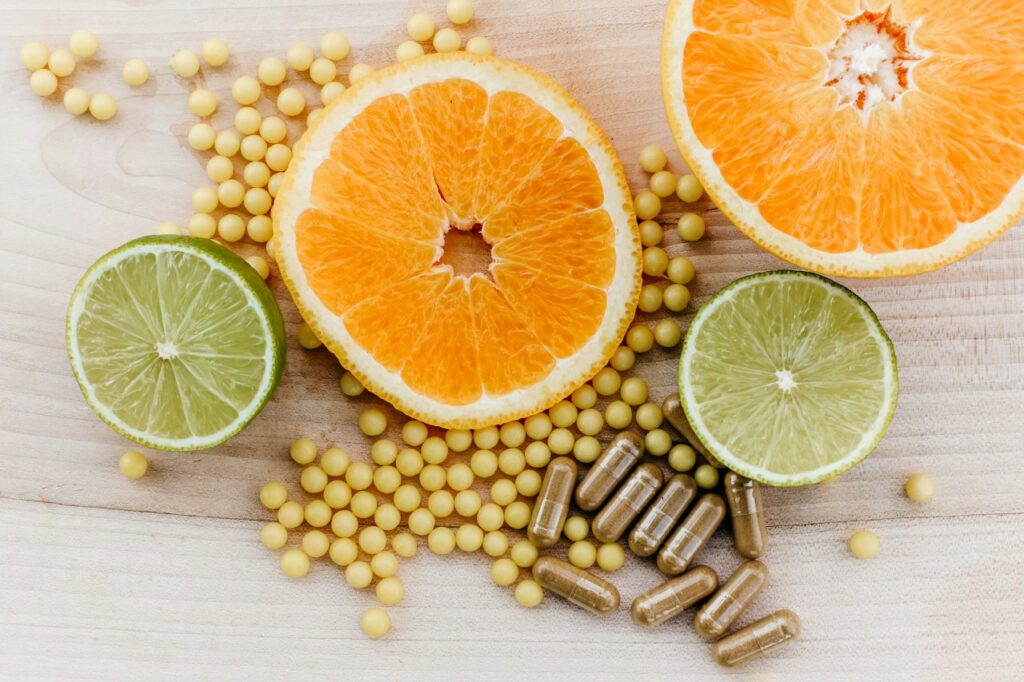
Most adults need 75 to 90 mg of vitamin C per day, and almost everyone can reach that amount from food without a supplement. Men need 90 mg, women need 75 mg, smokers need an extra 35 mg on top of that, and pregnant women need 85 mg. The upper tolerable intake level set by the NIH is 2,000 mg per day from all sources. Here is what the numbers mean and how to meet them without overthinking it.
Key Takeaways
- The adult RDA for vitamin C is 90 mg per day for men and 75 mg per day for women.
- Smokers need an extra 35 mg per day on top of the standard RDA.
- Pregnant women need 85 mg; breastfeeding women need 120 mg.
- The upper tolerable intake level for adults is 2,000 mg per day. Doses above this can cause diarrhea, stomach cramps and kidney stones.
- Half a cup of chopped red bell pepper provides over 95 mg, exceeding the daily RDA for most adults in one small serving.
The Official Numbers: Vitamin C RDA by Age and Life Stage
The Recommended Dietary Allowance (RDA) is the amount that meets the needs of almost all healthy people. The table below shows the full breakdown from the NIH.
| Group | Daily RDA | Note |
|---|---|---|
| Adult men (19+) | 90 mg | — |
| Adult women (19+) | 75 mg | — |
| Pregnant women | 85 mg | — |
| Breastfeeding women | 120 mg | — |
| Smokers (add to RDA) | +35 mg | Cigarette smoke increases oxidative stress and depletes vitamin C faster |
| Upper limit (all adults) | 2,000 mg | From all sources. Exceeding this raises risk of digestive side effects and kidney stones |

What Does Vitamin C Do?
Vitamin C is a water-soluble vitamin and antioxidant that the body cannot make or store. It must come from food or supplements every day. Its main roles include:
- Collagen synthesis: vitamin C is required to make collagen, the structural protein in skin, tendons, blood vessels and bone. This is the connection that makes vitamin C relevant to wound healing and connective tissue health.
- Antioxidant protection: it neutralises free radicals that damage cells.
- Immune function: white blood cells accumulate vitamin C and use it during infection. For more on immune-supporting nutrients, see our guide to foods that boost your immune system.
- Iron absorption: eating a vitamin C source alongside iron-rich plant foods significantly increases the amount of iron absorbed.
What Happens If You Don’t Get Enough?
Severe deficiency causes scurvy, which is marked by fatigue, bleeding gums, slow-healing wounds and widespread connective tissue breakdown. Scurvy is rare in people who eat fruit and vegetables regularly, but it does still occur in people with very restricted diets or significant malabsorption. Milder shortfalls may reduce immune function and slow wound healing without causing obvious symptoms.
Best Food Sources of Vitamin C
Reaching the RDA from food is straightforward. Many single servings exceed the daily target.
- Red bell pepper, half cup chopped: over 95 mg
- Orange juice, three-quarter cup: around 93 mg
- Kiwifruit, one medium: around 71 mg
- Broccoli, half cup cooked: around 51 mg
- Strawberries, half cup: around 49 mg
- Orange, one medium: around 70 mg
- Tomato juice, three-quarter cup: around 33 mg
Vitamin C is heat-sensitive, so raw or lightly cooked vegetables retain more than heavily boiled ones. Steaming or microwaving preserves more vitamin C than boiling in water.
Alongside vitamin C, a well-rounded diet also calls for adequate sleep and hydration. Our article on signs of dehydration and our guide on how to sleep better at night naturally are useful companions for overall health.
Do You Need a Vitamin C Supplement?
Most people who eat a varied diet with fruit and vegetables do not need a vitamin C supplement. The exceptions include people with very limited fruit and vegetable intake, smokers who need extra, people with malabsorption conditions, and people recovering from surgery or major illness with higher wound-healing demands.
Standard supplements come in doses of 250 mg, 500 mg and 1,000 mg. All of these sit well below the 2,000 mg upper limit, so a typical supplement is safe. The body absorbs vitamin C less efficiently as the dose rises — at doses above 1,000 mg, absorption starts to fall significantly and more is excreted in urine, which is why megadosing does not proportionally increase blood levels.
What Happens If You Take Too Much?
Getting too much from food alone is virtually impossible. Large supplement doses above the 2,000 mg upper limit can cause diarrhea, stomach cramps, nausea and heartburn. In people prone to kidney stones, very high doses (above 1,000 to 2,000 mg per day) can increase the risk of oxalate kidney stones, because the body converts excess vitamin C to oxalate. People with a history of kidney stones should stay at the lower end of supplemental doses and discuss this with a doctor.
Does More Vitamin C Fight Colds?
This is one of the most popular claims about vitamin C, and the evidence is more limited than the marketing suggests. Large reviews of randomised trials have found that regular vitamin C supplementation does not prevent colds in the general population, though it may modestly shorten duration by about a day. Starting a high-dose supplement after a cold has begun does not show a consistent benefit. Megadoses are not supported by current evidence for immune defence beyond correcting a deficiency.
Vitamin C and the Vitamins It Works With
Vitamin C does not work in isolation. It helps regenerate vitamin E (another antioxidant) and enhances iron absorption from plant sources. It is also important alongside the nutrients in our guide to vitamin B complex benefits, where deficiencies in B vitamins and vitamin C can overlap. And if you are watching bone health, our guide on vitamin D3 and K2 benefits covers the nutrient combination that matters most for bone strength.
Frequently Asked Questions
Is 1,000 mg of vitamin C a day too much?
No, 1,000 mg is below the 2,000 mg upper limit and is generally safe for healthy adults. It is far above the daily RDA, and the extra is largely excreted in urine. People with a history of kidney stones should check with a doctor before taking this dose regularly.
Can you get too much vitamin C from fruit?
It is virtually impossible to reach the 2,000 mg upper limit from whole fruit and vegetables alone. The upper limit is relevant to supplements and fortified foods, not to typical dietary intake.
Does vitamin C help with skin?
Vitamin C is essential for collagen production, which maintains skin structure and supports wound healing. Adequate dietary intake supports normal collagen synthesis, but evidence that taking extra vitamin C beyond the RDA improves healthy skin in people who are not deficient is limited.
When is the best time to take vitamin C?
Vitamin C can be taken at any time of day. It does not need to be taken with food, though taking it with meals can reduce the chance of stomach upset at higher doses. Because the body does not store it, spreading intake across the day (if you are using high doses) improves absorption slightly.
Do smokers really need more vitamin C?
Yes. Cigarette smoke creates oxidative stress that depletes vitamin C faster. The NIH recommends that smokers add 35 mg to their standard RDA, bringing the daily target to 125 mg for men and 110 mg for women who smoke.
Final Thoughts
The vitamin C RDA is modest and easy to reach with a few daily servings of fruit and vegetables. Half a cup of red bell pepper or a medium orange covers it for most people. If you take a supplement, standard doses of 250 to 1,000 mg are safe for healthy adults; simply stay under the 2,000 mg upper limit and be aware of the kidney stone risk at very high long-term doses. Smokers, pregnant women and people with very limited diets have the clearest reason to pay extra attention to their intake.
This article is for educational purposes only and is not a substitute for professional medical advice, diagnosis or treatment.