Selenium is a trace mineral that supports thyroid hormone metabolism, antioxidant defences and immune function, and most people get enough from food. The adult RDA is only 55 mcg per day, and the gap between enough and too much is narrow, with an upper limit of 400 mcg. That makes selenium a nutrient where more is definitely not better. This guide explains what selenium does, what the evidence says about thyroid and disease prevention claims, the best food sources and the signs of excess.
Key Takeaways
- The NIH RDA for adults is 55 mcg per day, rising to 60 mcg in pregnancy and 70 mcg while breastfeeding.
- The tolerable upper limit is 400 mcg per day from food and supplements combined.
- Selenium is needed to activate thyroid hormone and to build antioxidant enzymes called selenoproteins.
- One Brazil nut can supply 70 to 90 mcg, so only one or two a day are needed.
- Large trials have not shown that selenium supplements prevent cancer or heart disease in people who are not deficient.
What Does Selenium Do?
Selenium is built into about 25 selenoproteins. Some, such as glutathione peroxidases, neutralise damaging free radicals. Others, the deiodinases, convert thyroxine (T4) into the active thyroid hormone T3. The thyroid gland holds more selenium per gram than any other organ, which is why deficiency can disturb thyroid function, especially when iodine is also low.

Evidence-Based Benefits
Thyroid Function
Adequate selenium is needed for normal thyroid hormone activity. Some studies in people with Hashimoto’s thyroiditis show that selenium supplements lower thyroid antibody levels, but it is not clear that this improves symptoms or outcomes, so it should not replace thyroid treatment. Anyone with a thyroid condition should discuss supplementation with their doctor.
Antioxidant and Immune Support
Selenoproteins help protect cells from oxidative damage and support immune cell function. Deficiency can weaken immune responses, which is one reason selenium appears in discussions of zinc for immune system and other immune nutrients. Benefits are clearest where intake is low.
Cancer and Heart Disease Prevention
Early observational studies were promising, but large randomised trials, including those combining selenium with vitamin E, did not show prevention of prostate cancer or heart disease in well-nourished men. Selenium supplements are not recommended for this purpose. For more on antioxidants, see vitamin E benefits.
Best Food Sources of Selenium
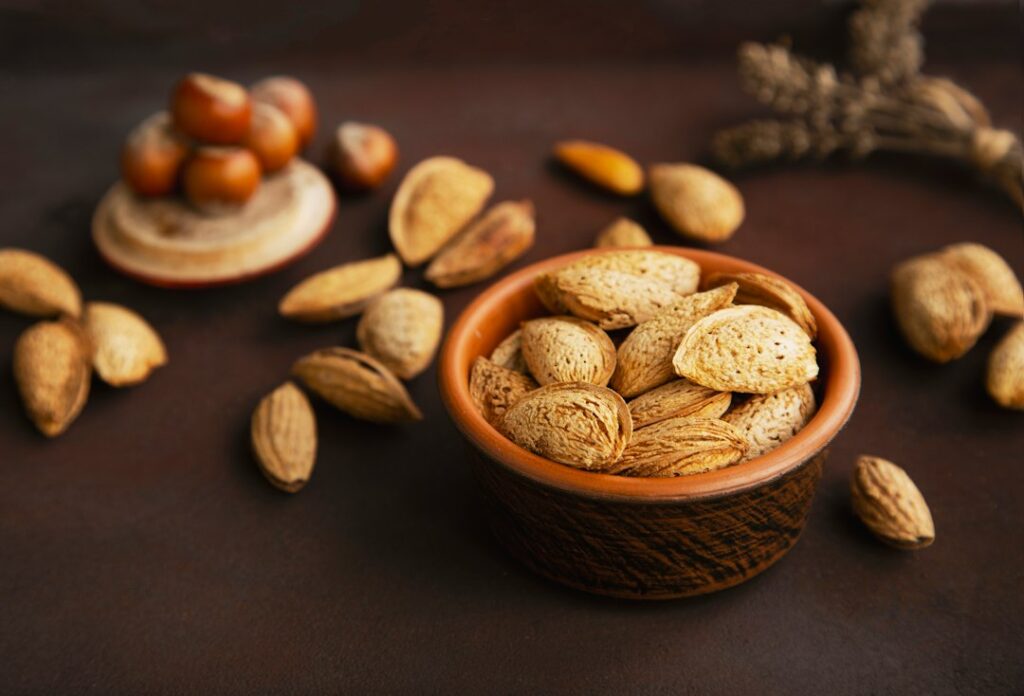
Brazil nuts are by far the richest source, at roughly 70 to 90 mcg each, so a single nut meets daily needs. Seafood (tuna, halibut, sardines), meat, poultry, eggs and whole grains are also good sources. Selenium content of plant foods depends on soil levels, so intake varies by region. Official data are in the NIH Office of Dietary Supplements selenium fact sheet.
Signs of Too Much Selenium
Chronic intake above 400 mcg per day can cause selenosis. Early signs include a garlic odour on the breath, a metallic taste, hair loss, brittle or discoloured nails, nausea and diarrhoea. Severe cases can cause nerve damage and heart problems. Eating several Brazil nuts every day, or combining a multivitamin with a separate selenium product, is a common route to excess.
Should You Take a Supplement?
Most people do not need one. A standard multivitamin typically contains 55 to 70 mcg, which already meets the RDA; see the best multivitamin for women over 50 for what to look for. Choose supplements only if a doctor identifies low intake or a deficiency risk, such as certain digestive conditions, and keep total intake below 400 mcg.
Frequently Asked Questions
How many Brazil nuts can I eat per day?
One or two is enough. Regularly eating more can push you above the upper limit.
Does selenium help hair growth?
Deficiency can affect hair, but excess selenium causes hair loss, so supplements are not a hair treatment.
Can selenium help hypothyroidism?
It supports normal thyroid function but does not replace prescribed thyroid hormone.
When is the best time to take selenium?
With a meal for comfort. Timing matters little; see best time to take vitamins.
Final Thoughts
Selenium is essential but needed in tiny amounts. Get it from food, treat Brazil nuts as a once-a-day option, and stay below 400 mcg from all sources.
This article is for educational purposes only and is not a substitute for professional medical advice, diagnosis or treatment.