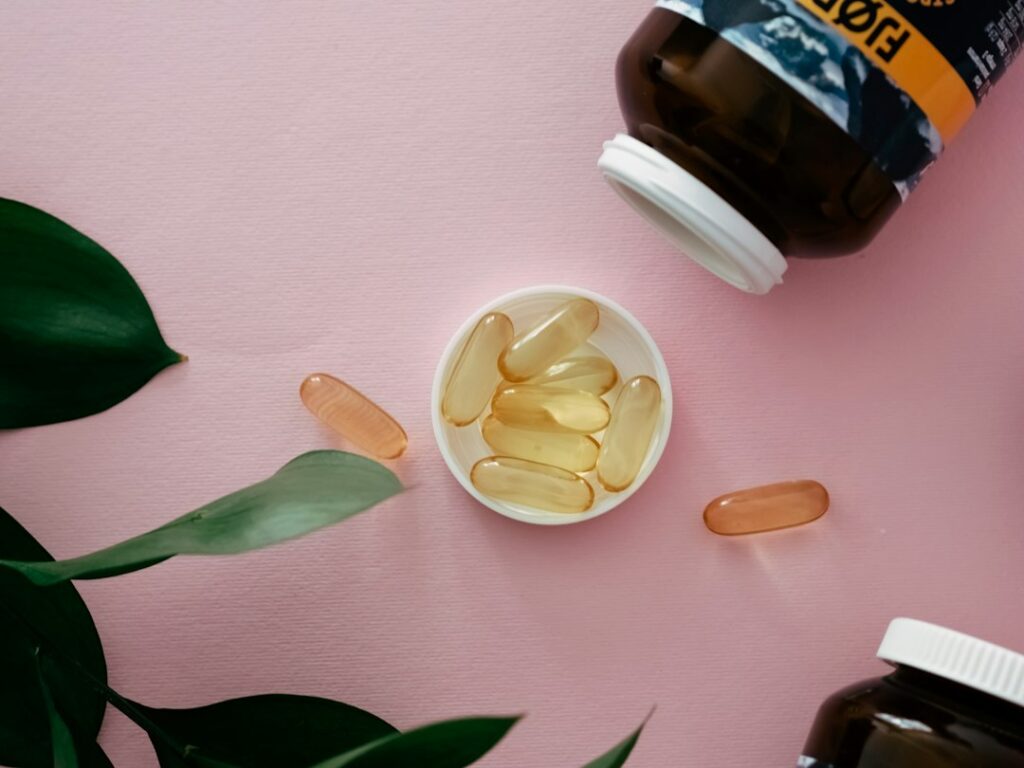
Biotin is one of the best-selling hair supplements in the world, but the clinical evidence for it is far weaker than the marketing suggests. A 2024 systematic review published in the Journal of Clinical and Aesthetic Dermatology (JCAD) identified only three studies that met quality criteria for evaluating biotin as a standalone hair treatment, and the highest-quality study — a double-blind, placebo-controlled trial — found no difference in hair growth between biotin and placebo. Biotin does help hair when the underlying cause of hair loss is a biotin deficiency, but genuine deficiency is uncommon in people eating a varied diet.
Key Takeaways
- A 2024 JCAD systematic review found that high-quality evidence for biotin as a standalone hair supplement is lacking in healthy individuals.
- The best-designed trial (double-blind, placebo-controlled) found no difference in hair growth between biotin and placebo.
- Biotin does help hair in people with a confirmed biotin deficiency — but true deficiency is rare in adults with a varied diet.
- The NIH Adequate Intake (AI) for biotin is just 30 mcg per day. Most hair supplements contain 5,000 to 10,000 mcg — hundreds of times the daily need.
- High-dose biotin can interfere with thyroid and cardiac blood tests, producing false results — tell your doctor before testing.
- Other nutrients, including vitamin D, iron and zinc, have stronger associations with common hair loss types than biotin.
What Is Biotin and What Does It Actually Do?
Biotin, also called vitamin B7 or vitamin H, is a water-soluble B vitamin involved in the metabolism of carbohydrates, fats and proteins. It acts as a cofactor for several enzymes (carboxylases) that process energy and building blocks the body needs. It is found in egg yolks, liver, salmon, nuts, seeds, sweet potato and dairy foods.
The connection to hair comes from the fact that biotin is involved in the metabolism of amino acids needed to build keratin, the structural protein that makes up hair. This biological role makes biotin plausible as a hair nutrient — but plausibility is not the same as clinical proof that supplementing with high doses grows more hair in people whose biotin level is already adequate.
%3C/text%3E%3Ctext x='565' y='160' font-family='Arial,sans-serif' font-size='12' fill='%231f2933' text-anchor='middle'%3EBrittle nail syndrome%3C/text%3E%3Ctext x='565' y='178' font-family='Arial,sans-serif' font-size='12' fill='%231f2933' text-anchor='middle'%3E(some evidence)%3C/text%3E%3Ctext x='565' y='208' font-family='Arial,sans-serif' font-size='12' fill='%231f2933' text-anchor='middle'%3EEnergy metabolism, keratin%3C/text%3E%3Ctext x='565' y='226' font-family='Arial,sans-serif' font-size='12' fill='%231f2933' text-anchor='middle'%3Ecofactor (general role)%3C/text%3E%3C/svg%3E)
What the 2024 Clinical Evidence Shows
The 2024 systematic review by Miller et al., published in the Journal of Clinical and Aesthetic Dermatology, searched PubMed for human studies specifically investigating oral biotin for hair growth or quality. Case reports and case series were excluded, leaving only higher-quality study designs.
Three studies met the criteria. The first and highest-quality study — a double-blind, placebo-controlled randomised trial — found no significant difference in hair growth between the biotin group and the placebo group. The other two studies investigated specific patient populations (patients on isotretinoin and women who had experienced hair loss after sleeve gastrectomy) and had significant methodological limitations. The authors concluded: the utility of biotin as a hair supplement is not supported by high-quality studies.
This matches earlier reviews. A 2017 review found that all cases where biotin improved hair growth involved patients with an underlying pathology causing biotin deficiency or a rare structural disorder. There were no cases where biotin improved hair in nutritionally normal people.
When Does Biotin Deficiency Cause Hair Loss?
True biotin deficiency is uncommon but does occur in specific circumstances:
- Biotinidase deficiency: a rare inherited condition where the body cannot recycle biotin properly. Hair loss, skin rash and neurological symptoms are classic features, and biotin supplementation is genuinely life-changing in these cases.
- Raw egg white consumption in large quantities: avidin, a protein in raw egg white, binds biotin in the gut and prevents absorption. Cooked egg whites do not have this effect.
- Prolonged parenteral nutrition without biotin supplementation
- Certain anticonvulsant medicines that accelerate biotin breakdown
- After bariatric surgery: malabsorption can reduce biotin levels, though the 2024 JCAD review noted that even in this group, results were inconsistent
In genuine deficiency from any of these causes, biotin supplementation does improve hair. But these situations are not representative of the average person buying a 10,000 mcg biotin supplement from a pharmacy.
How Much Biotin Do You Actually Need?
The NIH Adequate Intake (AI) for biotin in adults is 30 mcg per day. An egg provides about 10 mcg, nuts and seeds provide several micrograms per serving, and a varied diet typically covers the daily requirement without any supplementation. Most hair supplements contain 5,000 to 10,000 mcg — 166 to 333 times the daily AI. Since biotin is water-soluble, excess is excreted in urine, so high doses are generally safe — but they are also largely unnecessary in nutritionally replete adults.
The Lab Test Problem With High-Dose Biotin
One practical and important concern: high-dose biotin (above 5 mg or 5,000 mcg per day) can interfere with common immunoassay-based blood tests, producing falsely high or falsely low results for thyroid hormones (TSH, T3, T4), troponin (a cardiac marker), and some hormones. This is not a safety problem from the biotin itself, but it can lead to misdiagnosis or incorrect treatment if a doctor is unaware the patient is taking a high-dose biotin supplement. Stop high-dose biotin at least 72 hours before blood tests, and always tell your doctor what supplements you take.
What Actually Helps With Hair Loss?
If biotin is not the answer for most people, what is? The nutrients and treatments with the strongest evidence for common hair loss types include:
- Iron (ferritin): low ferritin is one of the most common nutritional causes of telogen effluvium (diffuse shedding). A blood test measuring serum ferritin is the relevant marker. Correcting low iron frequently reduces shedding.
- Vitamin D: consistently low in people with multiple types of hair loss. See our guide on vitamin D and hair loss for a full breakdown of the 2024 evidence.
- Zinc: plays a direct role in hair follicle function. Low zinc is associated with hair loss and correcting it can help. For the full picture of zinc’s roles see our guide on zinc and magnesium benefits.
- Vitamin B12: deficiency causes nerve and blood problems that can contribute to diffuse hair loss. Plant-based eaters and older adults are most at risk.
- Minoxidil (topical or oral): for androgenetic (pattern) hair loss, minoxidil has the best evidence of any treatment and is FDA-approved for this use.
Should You Take Biotin for Hair?
If a blood test confirms biotin deficiency, yes — supplementation is appropriate and effective. If your biotin level is normal, the 2024 clinical evidence suggests supplementation is unlikely to produce meaningful hair growth. The money spent on high-dose biotin supplements may be better directed toward testing and correcting the nutrients more consistently linked to hair loss, such as vitamin D, iron and zinc.
A dermatologist can run a targeted blood panel to identify the actual cause of hair loss, which is a far more useful starting point than reaching for a supplement with limited evidence.
Frequently Asked Questions
Does biotin make hair grow faster?
In people without biotin deficiency, the best available clinical evidence says no. A double-blind placebo-controlled trial found no difference in hair growth between biotin and placebo in healthy adults. Biotin helps when deficiency is the underlying cause of hair loss, which is uncommon in people eating a varied diet.
How long does biotin take to work for hair?
Most supplement labels suggest 90 days. In the trials that showed subjective improvement, the timeframe was similar. The absence of a clear placebo-controlled benefit makes it hard to attribute improvement to the biotin itself rather than the passage of time or other changes.
Can too much biotin cause any problems?
High-dose biotin is generally safe as it is water-soluble and excess is excreted. The main concern is interference with blood test results — thyroid and cardiac tests in particular can return false values in people taking more than 5 mg (5,000 mcg) per day. Always inform your doctor before blood tests.
What is the best vitamin for hair loss?
Vitamin D and iron (specifically ferritin) have the strongest associations with common types of hair loss in the current evidence base. Zinc and vitamin B12 are also relevant. A blood panel testing these markers is a more evidence-based first step than any single supplement.
Final Thoughts
Biotin’s reputation as a hair supplement is built largely on its biological role in keratin metabolism and on aggressive marketing, not on a robust base of clinical trials in healthy people. The 2024 JCAD systematic review makes clear that high-quality evidence is lacking. Biotin helps when deficiency is present — but true deficiency is uncommon. If hair loss is a concern, the higher-yield approach is testing vitamin D, ferritin, zinc and B12, and correcting whatever is actually low. That is where both the evidence and your supplement budget will do the most good.
This article is for educational purposes only and is not a substitute for professional medical advice, diagnosis or treatment.