Folate is the natural form of vitamin B9 found in food, while folic acid is the synthetic form used in supplements and fortified foods. Both do the same job in the body, but they are absorbed and processed differently, and the distinction matters most for women who could become pregnant. The key practical point is that folic acid has the strongest evidence for preventing neural tube defects, which is why public health guidance recommends it specifically before and during early pregnancy. This guide explains the difference, how much you need, and what to know about safety.
Key Takeaways
- Folate occurs naturally in foods such as leafy greens, legumes and citrus; folic acid is the synthetic form added to supplements and fortified grains.
- Folic acid is more bioavailable than food folate: about 85 percent of supplemental folic acid taken with food is absorbed, versus roughly 50 percent of food folate.
- The NIH RDA for adults is 400 mcg DFE per day, rising to 600 mcg DFE in pregnancy and 500 mcg DFE while breastfeeding.
- Anyone who could become pregnant is advised to take 400 mcg of folic acid daily, starting before conception.
- The upper limit for synthetic folic acid is 1,000 mcg per day, and high intake can mask vitamin B12 deficiency.
What Is the Difference Between Folate and Folic Acid?
Folate is the general term for the B9 family of compounds that occur naturally in food. Folic acid is a man-made version that is stable, inexpensive and does not break down during storage, which is why it is used to fortify bread, flour, rice and breakfast cereals and to make supplements.
The body must convert folic acid into the active form, known as 5-methyltetrahydrofolate (5-MTHF), through a series of enzyme steps in the liver. Natural food folate is converted more directly in the gut. Because of these differences, nutrition scientists measure intake in dietary folate equivalents (DFE), where 1 mcg of food folate equals 0.6 mcg of folic acid taken with food.
%3C/text%3E%3Ctext x='190' y='118' font-family='Arial,sans-serif' font-size='12' fill='%231f2933' text-anchor='middle'%3EGreens, legumes, citrus, eggs%3C/text%3E%3Ctext x='190' y='143' font-family='Arial,sans-serif' font-size='12' fill='%231f2933' text-anchor='middle'%3E~50%25 absorbed from food%3C/text%3E%3Ctext x='190' y='168' font-family='Arial,sans-serif' font-size='12' fill='%231f2933' text-anchor='middle'%3EEasily lost in cooking%3C/text%3E%3Ctext x='190' y='215' font-family='Arial,sans-serif' font-size='12' font-weight='bold' fill='%230b7a5e' text-anchor='middle'%3EBest everyday source%3C/text%3E%3Crect x='410' y='55' width='320' height='190' rx='10' fill='%23f3d9a4' stroke='%23b88a2a' stroke-width='2'/%3E%3Ctext x='570' y='85' font-family='Arial,sans-serif' font-size='14' font-weight='bold' fill='%231f2933' text-anchor='middle'%3EFolic acid (synthetic)%3C/text%3E%3Ctext x='570' y='118' font-family='Arial,sans-serif' font-size='12' fill='%231f2933' text-anchor='middle'%3ESupplements, fortified grains%3C/text%3E%3Ctext x='570' y='143' font-family='Arial,sans-serif' font-size='12' fill='%231f2933' text-anchor='middle'%3E~85%25 absorbed with food%3C/text%3E%3Ctext x='570' y='168' font-family='Arial,sans-serif' font-size='12' fill='%231f2933' text-anchor='middle'%3EStable, reliable dose%3C/text%3E%3Ctext x='570' y='215' font-family='Arial,sans-serif' font-size='12' font-weight='bold' fill='%23b88a2a' text-anchor='middle'%3EProven for neural tube defects%3C/text%3E%3C/svg%3E)
Why Folic Acid Is Recommended Before Pregnancy
Folate is essential for DNA synthesis and cell division. The neural tube, which becomes the baby’s brain and spinal cord, closes within the first 28 days after conception, often before a pregnancy is confirmed. Adequate folic acid intake before and during this window substantially reduces the risk of neural tube defects such as spina bifida.
For this reason, health authorities advise anyone who could become pregnant to take 400 mcg of folic acid daily in addition to eating folate-rich foods, starting at least one month before conception and continuing through the first trimester. Women who have previously had a pregnancy affected by a neural tube defect are usually prescribed a much higher dose, typically 4 mg per day, which should only be taken on a doctor’s advice.
How Much Folate Do You Need?
- Adults (19+): 400 mcg DFE per day
- Pregnancy: 600 mcg DFE per day
- Breastfeeding: 500 mcg DFE per day
Official figures are published in the NIH Office of Dietary Supplements folate fact sheet. Many multivitamins already contain 400 to 800 mcg of folic acid; our guide to the best multivitamin for women over 50 explains what to look for at different life stages.
Best Food Sources of Folate
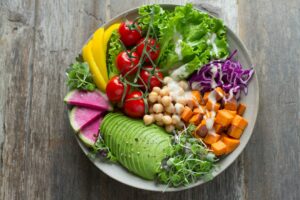
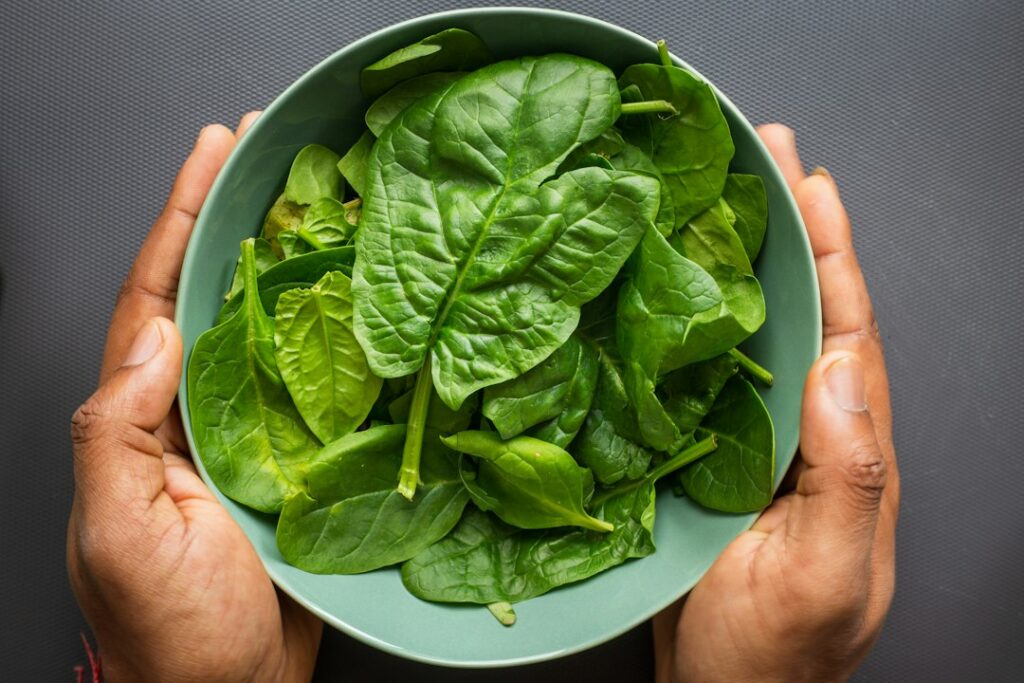
Folate is abundant in dark leafy greens such as spinach, in lentils, chickpeas and black-eyed peas, asparagus, avocado, broccoli, eggs and citrus fruit. Because folate is water soluble and sensitive to heat, boiling vegetables for a long time can destroy a large share. Steaming lightly or eating some raw produce helps preserve it. In many countries, bread flour and breakfast cereals are also fortified with folic acid, which makes up a significant part of intake.
What About MTHFR and Methylfolate?
Some people carry common variants of the MTHFR gene, which may reduce how efficiently folic acid is converted to its active form. Supplements marketed as methylfolate (5-MTHF) bypass this step. However, the evidence that methylfolate is better than folic acid for most people is limited, and the neural tube defect prevention data is based on folic acid. If you have a known MTHFR variant or a history of pregnancy complications, discuss which form is right for you with your doctor rather than switching on your own.
Safety: Upper Limit and the Vitamin B12 Link
The tolerable upper intake level for synthetic folic acid from supplements and fortified foods is 1,000 mcg per day for adults. This limit exists mainly because high folic acid can correct the anaemia of vitamin B12 deficiency while allowing the nerve damage to progress unnoticed. Anyone with symptoms such as tingling, numbness or memory problems should have B12 checked; see our guide on vitamin B12 deficiency symptoms. Natural folate from food has no established upper limit.
Folate works alongside other B vitamins, including B6 and B12, in homocysteine metabolism. For an overview of how they interact, read our article on vitamin B complex benefits for women.
Frequently Asked Questions
Is folate better than folic acid?
Neither is universally better. Food folate is ideal for daily intake, while folic acid is better absorbed and has the strongest evidence for preventing neural tube defects.
Should I take folic acid or folate in pregnancy?
Guidelines recommend folic acid specifically for preventing neural tube defects. Ask your doctor or midwife about the dose and about any prenatal supplement containing methylfolate.
Can you get enough folate from food alone?
Many people can, but it is difficult to reach the amount recommended before pregnancy from diet alone, which is why a supplement is advised for those who could conceive.
How long does it take for folic acid to work?
Blood folate levels rise within weeks, but for pregnancy protection it should be taken for at least a month before conception. See how long supplements take to work for general timelines.
Can folic acid cause side effects?
At normal doses it is well tolerated. Very high intake can cause nausea, bloating and sleep disturbance and can mask B12 deficiency.
Final Thoughts
Eat plenty of folate-rich foods for general health, and if there is any chance you could become pregnant, take 400 mcg of folic acid daily. Keep supplemental intake below 1,000 mcg unless a doctor prescribes more, and get B12 checked if you have neurological symptoms.
This article is for educational purposes only and is not a substitute for professional medical advice, diagnosis or treatment.