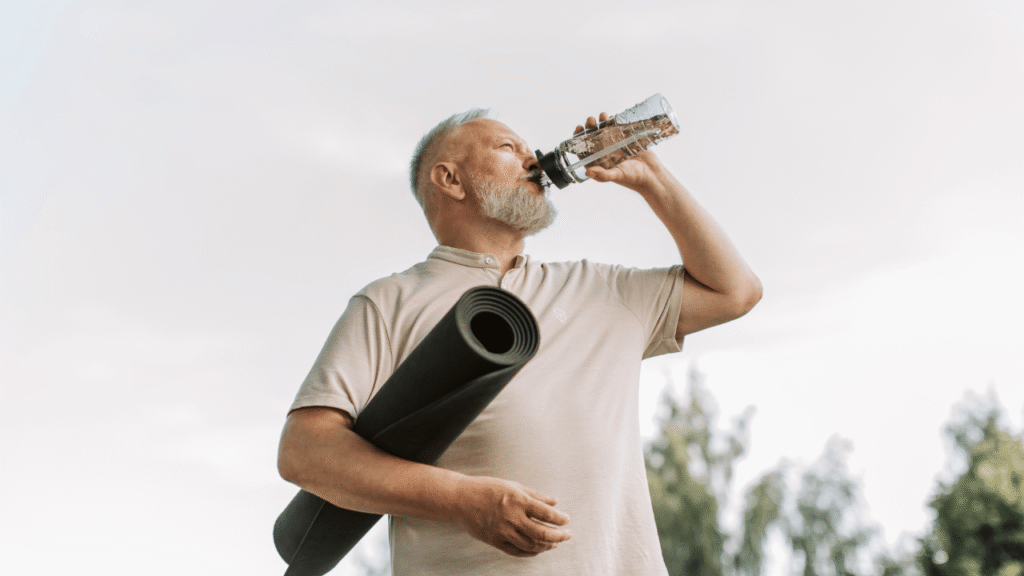
You’ve probably heard you should drink more water. But here’s the real question: when you drink it could be just as important as how much. A 2020 study in Scientific Reports found that nearly 75% of adults are chronically underhydrated—yet timing your water intake strategically can boost metabolism, sharpen focus, and even improve sleep quality. Let’s get specific. Drinking 16–20 ounces right after waking kickstarts your lymphatic system and compensates for the 8+ hours of fluid loss overnight. Then there’s the 30-minute window before meals: two glasses here can naturally curb overeating and aid digestion.
I’ll walk you through the entire day—from that first morning sip to the last glass before bed—so you leave with a simple, science-backed schedule you can actually use. No fluff. Just hydration that works.
Why Timing Matters More Than You Think
Water does more than quench thirst. It transports nutrients, regulates body temperature, and lubricates joints. But your body’s needs fluctuate throughout the day. Drinking at random times means missing strategic windows where water can amplify specific health outcomes.
Take morning hydration. After six to eight hours of sleep, your body wakes up slightly dehydrated. Your blood volume is lower. Your cells are craving fluid. Drinking water at this exact moment doesn’t just rehydrate—it triggers a 24% increase in metabolic rate for up to an hour, according to research published in the Journal of Clinical Endocrinology and Metabolism. That is a measurable metabolic spike you get simply by timing your first glass correctly.
Evening hydration works differently. A glass of water 30 minutes before bed can prevent nocturnal dehydration and muscle cramps. But two glasses right before lying down? That interrupts sleep cycles with bathroom breaks. Timing is the difference between restorative rest and fragmented sleep.
So let’s stop guessing. Here is exactly when to drink water for maximum benefit.
When Is the Best Time to Drink Water? (The Hourly Blueprint)
This section answers the most searched question: “when is the best time to drink water.” I have broken down the ideal hydration schedule into specific daily windows. Each time slot targets a different health goal. Use this as your daily checklist.
Morning (6:00 AM – 8:00 AM)
Drink 16–20 ounces upon waking. Use room temperature water for easier absorption. Add lemon if tolerated—but plain water works perfectly. This replaces overnight fluid loss, raises metabolic rate, and supports morning bowel movements.
Mid-Morning (9:00 AM – 11:00 AM)
Drink 8–12 ounces between breakfast and lunch. This maintains energy and prevents the 10 AM energy slump often mistaken for hunger. Set a reminder if needed.
30 Minutes Before Lunch (11:30 AM – 12:30 PM)
Drink 8–16 ounces. This suppresses appetite and prepares the stomach for digestion. Studies show water before meals reduces calorie intake by up to 75 calories per meal.
Afternoon (1:00 PM – 4:00 PM)
Drink 8–12 ounces every hour. Spread it out. Afternoon dehydration causes headaches and brain fog—catching it early prevents lost productivity.
Before Exercise (30 minutes prior)
Drink 12–16 ounces. This primes your cardiovascular system and delays fatigue. Without this pre-hydration window, performance drops by up to 10%.
Evening (5:00 PM – 7:00 PM)
Drink 8–12 ounces with or after dinner. This supports digestion and nutrient absorption. Avoid chugging; sip slowly.
30 Minutes Before Bed
Drink 4–8 ounces maximum. Enough to prevent overnight dehydration. Not so much that you wake at 2 AM for the bathroom. Find your personal threshold here.
Best Time to Drink Water for Weight Loss
Commercial intent is strong for this query. People searching “best time to drink water for weight loss” want actionable strategies. Here is what works.
Drinking water before meals is the single most effective timing strategy for weight management. Three separate clinical trials found that adults who drank 16 ounces of water 30 minutes before each main meal lost 44% more weight over 12 weeks compared to those who did not. The mechanism is simple: water occupies stomach volume, activates stretch receptors, and signals satiety to the brain.
But pre-meal water is not the only timing tool.
Morning water on an empty stomach increases resting energy expenditure. This means you burn more calories doing absolutely nothing. A study from Obesity journal confirmed that drinking 500 ml of water increased metabolic rate by 30% within 10 minutes of consumption. The effect peaked at 30–40 minutes.
Post-meal water timing also matters. Drinking water immediately after eating dilutes gastric juices, potentially slowing digestion. Waiting 30 minutes after meals allows stomach acid to work efficiently. Then water consumed during that post-meal window helps transport nutrients without interfering with breakdown.
Here is a simple weight loss hydration table:
| Time Window | Amount | Purpose |
|---|---|---|
| Upon waking | 16 oz | Boost metabolism |
| 30 min before breakfast | 8 oz | Reduce morning hunger |
| 30 min before lunch | 16 oz | Cut lunch calories |
| 30 min before dinner | 16 oz | Prevent evening overeating |
| Between meals | 8-12 oz hourly | Maintain energy and prevent false hunger |
Cold water slightly increases calorie burn because the body expends energy warming it to core temperature. However, the effect is modest—around 8–10 extra calories per 16 ounces. Do not rely on temperature alone. Focus on timing and consistency first.
Best Time to Drink Lemon Water
The keyword data shows high volume for “best time to drink lemon water” (590 searches monthly) and related questions like “when is the best time to drink lemon water” (210 searches). Let me clear this up.
Lemon water offers unique benefits: vitamin C, citric acid for kidney stone prevention, and a mild antimicrobial effect. However, timing lemon water incorrectly can damage tooth enamel and worsen acid reflux.
The best time to drink lemon water is morning, immediately after waking, but with a crucial caveat. Drink it through a straw. Rinse your mouth with plain water afterward. Wait 30 minutes before brushing your teeth. This protects enamel while delivering benefits.
Morning lemon water on an empty stomach stimulates bile production from the gallbladder. This primes your digestive system for the day ahead. The citric acid also acts as a mild diuretic, helping flush overnight metabolic waste.
Avoid lemon water at these times:
-
Right before bed (acid can reflux into the esophagus while lying down)
-
Immediately after brushing teeth (acid softens enamel, brushing scratches it)
-
During an active acid reflux flare-up
For people with sensitive stomachs, skip lemon water entirely. Plain water at the same morning window provides 90% of the hydration benefit without the acid risk.
Best Time to Drink Ginger Water
With 260 monthly searches, “best time to drink ginger water” deserves attention. Ginger water is different from lemon water. It contains gingerol, a compound with potent anti-inflammatory and anti-nausea properties.
Drink ginger water in the morning or 30 minutes before travel if you experience motion sickness. The antiemetic effects of ginger work fastest on an empty stomach. For morning sickness during pregnancy, sip small amounts of cool ginger water immediately upon waking—but consult your healthcare provider first.
The second ideal window is post-lunch. Ginger stimulates gastric emptying, reducing bloating and that heavy feeling after large meals. A 2011 study found that ginger accelerated stomach emptying by 25% compared to placebo. Drink 6–8 ounces of ginger water 30 minutes after eating to ease digestion.
Do not drink ginger water late at night. Ginger is thermogenic and mildly stimulating for some people. Consuming it within three hours of bedtime can interfere with sleep latency.
Best Time to Drink Water for Glowing Skin
“Best time to drink water for glowing skin” shows significant search volume (260 monthly searches). The commercial intent here is moderate to high—people want a beauty benefit from hydration.
Here is the reality. Water improves skin appearance only if you are dehydrated to begin with. For well-hydrated individuals, extra water does not magically erase wrinkles. However, strategic timing does support skin health through secondary mechanisms.
Drink water immediately upon waking to reverse skin dehydration from overnight fluid loss. Sleep is a fasting period. Your skin loses moisture through respiration and perspiration. Morning water restores skin turgor – that plump, elastic quality.
Drink water 30 minutes before meals containing healthy fats. Fats like avocado, olive oil, and salmon require water for proper absorption. Fat-soluble vitamins A, D, E, and K depend on adequate hydration to reach skin cells. Timing water with fat intake ensures those nutrients actually nourish your skin barrier.
Drink small amounts consistently throughout the afternoon. The 1 PM to 4 PM window is when cortisol naturally dips and dehydration headaches start. Consistent hydration during these hours prevents the dull, tired skin appearance linked to afternoon fatigue.
One more tip. Drink water at room temperature rather than ice cold for skin benefits. Extreme cold constricts blood vessels, reducing nutrient delivery to skin cells. Room temperature water maintains circulation and promotes the flush of metabolic waste through lymphatic channels.
Best Time to Drink Coconut Water
Coconut water earns 210 monthly searches for timing advice. People want to know when this electrolyte-rich drink works best.
The best time to drink coconut water is after morning exercise or during afternoon fatigue. Unlike plain water, coconut water contains potassium (about 600 mg per cup), magnesium, and small amounts of sodium. This makes it ideal for replacing electrolytes lost through sweat.
Drink coconut water within 30 minutes of finishing a workout. The natural sugars (about 9 grams per cup) help replenish glycogen while electrolytes restore fluid balance. For non-athletes, drink coconut water at 3 PM when energy naturally crashes. The combination of electrolytes and moderate sugar provides cleaner energy than coffee for some people.
Avoid drinking coconut water:
-
As your primary hydration source (too much potassium can be problematic for kidney patients)
-
Right before bed (natural sugars may disrupt sleep for sensitive individuals)
-
When you need plain water for medication absorption
Coconut water is functional, not magical. Treat it as a tool for specific windows, not an all-day beverage.
How Much Water Should You Actually Drink?
Timing falls apart without proper volume. The old “eight glasses per day” rule is too generic. Your needs depend on body weight, activity level, climate, and sweat rate.
Use this formula: body weight in pounds divided by two equals daily ounces. A 160-pound person needs 80 ounces daily. Active individuals add 12 ounces for every 30 minutes of exercise.
Here is a volume checklist for each timing window:
-
Morning (upon waking): 16–20 ounces
-
Before each meal: 8–16 ounces
-
During exercise: 4–8 ounces every 20 minutes
-
Between meals: 4–8 ounces hourly
-
Before bed: 4–8 ounces maximum
Adjust downward if you eat high-water foods like soup, melon, cucumbers, or zucchini. Adjust upward if you sweat heavily, drink alcohol, or are in a dry climate.
Thirst is a late indicator. By the time you feel thirsty, you are already 1–2% dehydrated, which impairs cognitive and physical performance. Stick to the timing schedule regardless of thirst.
Can You Drink Too Much Water at the Wrong Time?
Yes. Overhydration (hyponatremia) is rare but dangerous. It occurs when you drink large volumes faster than your kidneys can excrete—more than 27–34 ounces per hour for most adults.
Signs of overhydration include nausea, headache, confusion, and in severe cases, seizures. This typically happens to endurance athletes or people forcing excessive water intake.
More common are timing-related downsides:
-
Drinking large amounts immediately before bed → disrupted sleep from bathroom visits
-
Drinking during meals instead of before → diluted digestive enzymes, bloating
-
Chugging water after feeling thirsty → stomach distension and discomfort
The solution is simple: spread intake across the windows above. Sip don’t chug. Listen to your body’s signals but follow the schedule as a baseline.
When Is the Best Time to Drink Water with Lemon? (People Also Ask)
This question variation (“when is the best time to drink water with lemon”) appears in the keyword data with 110 monthly searches.
The answer is the same as lemon water timing: first thing in the morning, on an empty stomach, through a straw. The “with” in the query changes nothing functionally. However, some users search “water with lemon” instead of “lemon water” out of habit. Both searches deserve the same answer.
Add one distinction. Water with lemon implies a higher ratio of water to lemon. That is actually ideal. Use one-third of a lemon per 16 ounces of water rather than a full lemon. This provides benefits while minimizing enamel erosion and reflux risk.
When Are the Best Times to Drink Water (Plural)
Ninety monthly searches ask “when are the best times to drink water” plural. This person wants multiple daily windows, not just one perfect moment.
Here are the four non-negotiable best times every single day:
-
Immediately upon waking
-
30 minutes before each main meal (breakfast, lunch, dinner)
-
30 minutes before exercise
-
Small sips throughout the afternoon (1 PM – 4 PM)
These four windows cover rehydration, metabolic support, digestive preparation, performance enhancement, and sustained energy. If you only remember these four timing rules, you capture 80% of the benefit.
Common Hydration Mistakes That Ruin Your Timing
Even with the best schedule, small errors undermine results. Avoid these.
Mistake one: drinking water during meals instead of before. Water consumed alongside food dilates the stomach faster but also dilutes gastric juices. Switch to pre-meal water. Wait 15–20 minutes after finishing your plate before drinking again.
Mistake two: using caffeine or alcohol as hydration. Both are diuretics. A cup of coffee does count toward fluid intake but less than the same volume of water. Do not substitute. Follow your water schedule regardless of other beverages.
Mistake three: ignoring the 30-minute buffer. Drinking water 10 minutes before a meal provides less satiety than 30 minutes. The stomach needs time for stretch receptors to activate. Set a timer if necessary.
Mistake four: drinking ice cold water after exercise. Cold water slows gastric emptying. For post-workout rehydration, cool water (50–60°F) absorbs faster than ice water or warm water.
Putting It All Together: Your Daily Hydration Schedule
Here is a complete, realistic daily schedule you can implement tomorrow morning.
| Time | Action | Amount |
|---|---|---|
| 7:00 AM | Wake, drink room temperature water | 16 oz |
| 7:30 AM | Add lemon water if desired (through straw) | 8 oz |
| 8:00 AM | Breakfast (solid food) | — |
| 10:00 AM | Mid-morning hydration | 8 oz |
| 11:30 AM | Pre-lunch water | 12–16 oz |
| 12:00 PM | Lunch | — |
| 1:00 PM – 4:00 PM | Hourly small sips | 4–8 oz each hour |
| 5:00 PM | Pre-dinner water | 12–16 oz |
| 5:30 PM | Dinner | — |
| 7:00 PM | Evening hydration | 8 oz |
| 9:30 PM | Last small sip before bed | 4 oz |
Print this schedule. Tape it to your fridge. Within one week, it becomes automatic.
Frequently Asked Questions (FAQ)
1. Is it better to drink water first thing in the morning or wait until after breakfast?
Drink water first thing in the morning, at least 20–30 minutes before breakfast. This allows the water to rehydrate your body without interfering with digestive enzymes needed for breakfast. Morning water on an empty stomach also triggers the gastrocolic reflex, which promotes regular bowel movements.
2. Can drinking water before bed help with weight loss?
Drinking 4–8 ounces of water before bed can support overnight metabolic processes, but large amounts disrupt sleep. Disrupted sleep raises cortisol, which promotes fat storage. For weight loss, focus on pre-meal water timing rather than bedtime hydration. Small sips only before sleep.
3. How long before a meal should I drink water for digestion?
Drink water 30 minutes before a meal for optimal digestion. This timing allows the stomach to begin emptying the water before food arrives, preventing dilution of gastric juices. Water consumed 10 minutes before a meal provides less digestive benefit and more stomach distension.
4. Does drinking cold water burn more calories than warm water?
Cold water burns approximately 8–10 additional calories per 16 ounces because the body expends energy warming it to core temperature. However, this effect is metabolically insignificant for weight loss. Choose water temperature based on preference and comfort, not calorie burn.
5. What is the best time to drink water for high blood pressure?
The best time is morning within 30 minutes of waking and 30 minutes before each meal. Morning hydration improves blood viscosity (thickness), reducing cardiovascular strain. Pre-meal water supports kidney function in excreting excess sodium. Avoid large water loads at bedtime if you take nighttime blood pressure medications.
Conclusion
The best time to drink water is not a single moment. It is a rhythm. Drink 16 ounces upon waking. Drink 30 minutes before every meal. Sip consistently through the afternoon. Take small sips only before bed. That pattern—simple, repeatable, strategic—delivers more health benefit than drinking the same total volume at random times.
Start tomorrow morning. Pour that first glass before you check your phone. Set a recurring calendar alert for 11:30 AM and 5:00 PM. Notice the difference in your energy, your focus, and your appetite control. Hydration is not complicated. But timing turns water from a basic need into a performance tool.
Here is your action step: print the daily hydration schedule above. Cross off each time window for seven days. By day eight, you will not need the paper. Your body will remind you. Drink on time, feel better on time, and get back to what matters.