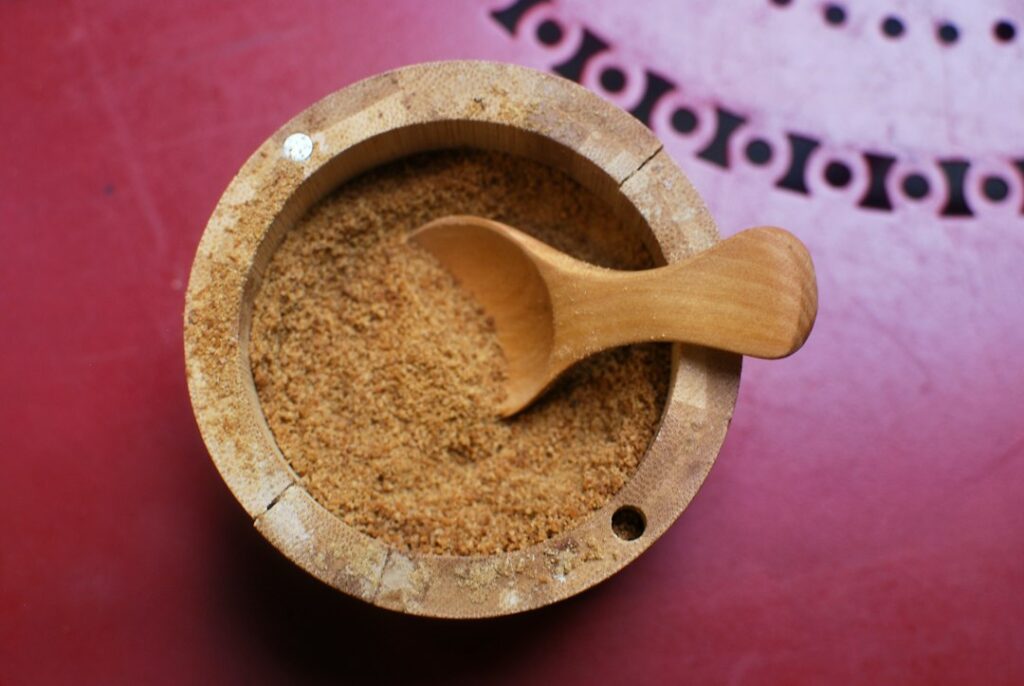
Ashwagandha (Withania somnifera) is one of the few herbal supplements with consistent, replicated meta-analysis evidence for reducing cortisol — the primary stress hormone. Two independent 2025 meta-analyses reached the same conclusion from different datasets. A June 2025 meta-analysis in BJPsych Open covering 15 randomised trials and 873 participants found ashwagandha significantly reduced cortisol, anxiety (HAM-A scale) and perceived stress (PSS scale) over 8 weeks. A separate 2025 meta-analysis in Nutrition and Health covering 7 RCTs and 488 participants found a statistically significant cortisol reduction of 1.16 mcg/dL but interestingly found no significant effect on perceived stress scores — highlighting that biological and subjective stress markers do not always move together.
Key Takeaways
- Two independent 2025 meta-analyses confirm ashwagandha significantly reduces serum cortisol compared to placebo.
- The BJPsych Open meta-analysis (15 RCTs, 873 patients) found significant reductions in cortisol, HAM-A anxiety scores and PSS stress scores at 8 weeks.
- The Nutrition and Health meta-analysis found significant cortisol reduction but no significant change in perceived stress, highlighting the cortisol-symptom disconnect.
- A landmark 60-day RCT using 600 mg per day found a 27.9 percent reduction in serum cortisol from baseline.
- The most studied dose is 300 to 600 mg per day of standardised root extract (standardised to 5 percent withanolides).
- Ashwagandha is not recommended during pregnancy. People with autoimmune conditions, thyroid disorders or on sedatives should consult a doctor before use.
How Ashwagandha Lowers Cortisol
Ashwagandha belongs to a class of herbs called adaptogens — substances that help the body adapt to and recover from stress more efficiently. Its primary active compounds are withanolides (steroidal lactones), particularly withanolide A and withaferin A, which act on the hypothalamic-pituitary-adrenal (HPA) axis — the central control system for cortisol production.
When the brain perceives stress, the HPA axis triggers a cascade: the hypothalamus signals the pituitary, which signals the adrenal glands to release cortisol. Withanolides appear to modulate this signalling pathway, reducing the magnitude of the cortisol response without blocking it entirely. Ashwagandha also appears to have GABAergic activity — mimicking or enhancing the calming neurotransmitter GABA — which may explain its anxiety-reducing effects independently of the cortisol pathway.

What the 2025 Evidence Shows in Detail
The two 2025 meta-analyses offer complementary and honest pictures of what ashwagandha does and does not do:
BJPsych Open meta-analysis (Bachour et al., 2025): 15 RCTs, 873 participants. Found ashwagandha significantly reduced anxiety (HAM-A: mean reduction −3.52 at 8 weeks, p=0.005), perceived stress (PSS: mean reduction −4.88, p=0.001) and cortisol levels (mean standardised reduction −2.36, p<0.0001). Notably, no improvement in quality of life was observed — suggesting that reducing biological stress markers does not automatically translate to broader life satisfaction.
Nutrition and Health meta-analysis (Albalawi, 2025): 7 RCTs, 488 participants. Found a significant cortisol reduction of −1.16 mcg/dL (95% CI: −1.64 to −0.69, p<0.001) but no statistically significant effect on perceived stress scores (PSS). This disconnect is important: cortisol is a biological marker; perceived stress is subjective. The two do not always move together, and this finding suggests ashwagandha may reduce the physiological stress response even when people do not feel subjectively less stressed.
A 2026 meta-analysis of 22 RCTs published in Complementary Therapies in Medicine (Alsanie et al.) further confirmed significant improvements across stress, anxiety and depression scores, with evidence of a dose-dependent relationship.
The Landmark 60-Day Cortisol Trial
The most cited individual RCT used 300 mg of a full-spectrum ashwagandha root extract twice daily (600 mg total) for 60 days and found a 27.9 percent reduction in serum cortisol from baseline compared to a modest change in the placebo group. Participants also reported significant reductions in perceived stress and anxiety scores. This trial is frequently cited because its effect size — nearly 28 percent cortisol reduction — is large enough to be clinically meaningful, not just statistically significant.
Who Benefits Most From Ashwagandha?
The study populations in the meta-analyses were specifically adults with elevated stress or anxiety symptoms, not healthy non-stressed adults. The implication is that ashwagandha is most effective when the HPA axis is overactivated — when cortisol is genuinely chronically elevated due to ongoing life stress, poor sleep or burnout. In people without elevated baseline stress, the effect on cortisol and subjective wellbeing is smaller.
Groups most likely to benefit include:
- Adults with chronic work or life stress and elevated cortisol
- People with stress-related sleep disruption
- Athletes with training-related HPA axis overactivation
- People with stress-related anxiety (not diagnosed anxiety disorder)
For people with diagnosed anxiety disorders, ashwagandha is not a substitute for evidence-based treatment. Our guide on magnesium for anxiety covers another well-evidenced nutritional approach to anxiety that works through different mechanisms and can complement ashwagandha.
Dose, Form and Timing
The most studied dose across positive RCTs is 300 to 600 mg per day of a standardised root extract, typically standardised to 5 percent withanolides. The form matters — different preparations have different withanolide concentrations, and unstandardised products are harder to evaluate.
- KSM-66: a well-researched proprietary extract (full-spectrum root extract) used in many of the positive trials
- Sensoril: another standardised extract with trial data, using root and leaf
- Avoid: unstandardised powders with no withanolide content listed
Ashwagandha is not fast-acting. Consistent daily use for at least 4 to 8 weeks is required before meaningful cortisol and anxiety reductions are typically measurable. Most trials ran for 8 to 12 weeks. For how long supplements take to show effects generally, see our guide on how long supplements take to work.
Timing: evening dosing is commonly recommended since it aligns with the natural evening drop in cortisol and may support sleep. Some trials split the dose morning and evening.
Safety and Who Should Avoid It
The 2025 meta-analyses characterise ashwagandha as generally safe at standard doses. However, several groups should avoid it or consult a doctor first:
- Pregnant women: ashwagandha has been used traditionally to stimulate uterine contractions and is not recommended in pregnancy
- People with autoimmune conditions (lupus, rheumatoid arthritis, MS): ashwagandha’s immunomodulating properties may stimulate the immune system
- People with thyroid disorders: ashwagandha can increase thyroid hormone levels — those on thyroid medication should monitor levels carefully
- People on sedatives or benzodiazepines: additive CNS-depressant effects are possible
- People with liver conditions: rare case reports of liver injury have been associated with high-dose ashwagandha use
Ashwagandha Alongside Other Stress and Sleep Nutrients
Ashwagandha does not work in isolation from other lifestyle and nutritional factors. Magnesium addresses stress through a different pathway (GABA receptors and cortisol regulation) and the two can complement each other — our guide on magnesium and sleep quality explains that mechanism. Vitamin D deficiency is associated with both low mood and higher cortisol reactivity, and our guide on vitamin D and depression covers that evidence. And regular physical activity — even a 30-minute daily walk — is one of the most effective HPA axis regulators available, as covered in our guide on what happens when you walk 30 minutes a day.
Frequently Asked Questions
Does ashwagandha really lower cortisol?
Yes — two independent 2025 meta-analyses of randomised controlled trials confirm statistically significant cortisol reductions with ashwagandha supplementation. A landmark 60-day RCT found a 27.9 percent reduction. The effect is most pronounced in people with elevated baseline cortisol from chronic stress.
How long does ashwagandha take to lower cortisol?
Most trials measuring cortisol outcomes ran for 8 to 12 weeks. Meaningful reductions were typically measurable at 8 weeks. Like most supplements, ashwagandha needs consistent daily use over weeks — it does not work acutely like a medication.
What is the best dose of ashwagandha for stress?
The most studied and consistently effective dose range is 300 to 600 mg per day of a standardised root extract (5 percent withanolides). Many positive RCTs used 300 mg twice daily. Choose a product that specifies its withanolide content and uses a named standardised extract such as KSM-66 or Sensoril.
Can ashwagandha be taken with magnesium?
Yes — there is no known interaction between ashwagandha and magnesium. They work through different but complementary stress pathways: ashwagandha primarily modulates the HPA axis; magnesium primarily supports GABA signalling and cortisol clearance. Both are commonly taken together for stress and sleep support.
Is ashwagandha safe long-term?
Most trials have run for 8 to 12 weeks, and safety within that period is well-established. Long-term safety data beyond 6 months is limited. Rare liver injury cases have been reported with high doses. Standard doses from reputable standardised extracts, used under manufacturer guidance, appear safe for most healthy adults.
Final Thoughts
Ashwagandha stands out in a supplement market filled with unsubstantiated stress claims because it has consistent, replicated meta-analysis evidence behind it. Two independent 2025 meta-analyses confirm significant cortisol reductions. The honest caveat is that biological cortisol reduction does not always translate to feeling subjectively less stressed — and it works best in people who are genuinely experiencing elevated stress, not as a general wellness boost. At 300 to 600 mg per day of a standardised extract, taken consistently for 8 to 12 weeks, it is a low-risk, evidence-backed addition to a broader stress management approach.
This article is for educational purposes only and is not a substitute for professional medical advice, diagnosis or treatment.