Turmeric on its own is poorly absorbed — almost none of the curcumin (its active compound) makes it into your bloodstream before being metabolised away. Black pepper contains piperine, an alkaloid that inhibits the enzymes responsible for breaking curcumin down too quickly, and dramatically increases how much is absorbed. A landmark 1998 study in Planta Medica found that combining 20 mg of piperine with 2 g of curcumin increased curcumin bioavailability by 2,000 percent in human subjects. This is not a marketing claim — it is reproducible pharmacokinetic data, and it changes how you should use turmeric entirely.
Key Takeaways
- Curcumin, the active compound in turmeric, has notoriously poor bioavailability on its own — it is rapidly metabolised before it can be absorbed.
- Piperine in black pepper inhibits the enzymes that break curcumin down and improves intestinal absorption, increasing bioavailability by up to 2,000%.
- You need only a small amount: just 5 to 20 mg of piperine (roughly a pinch to a quarter teaspoon of freshly ground black pepper) per serving.
- Taking turmeric with fat further improves absorption, since curcumin is fat-soluble.
- Piperine also enhances absorption of several other nutrients including selenium and beta-carotene.
- People on blood thinners, chemotherapy or certain other medicines should check with their doctor before taking high-dose curcumin.
Why Curcumin Needs Help to Be Absorbed
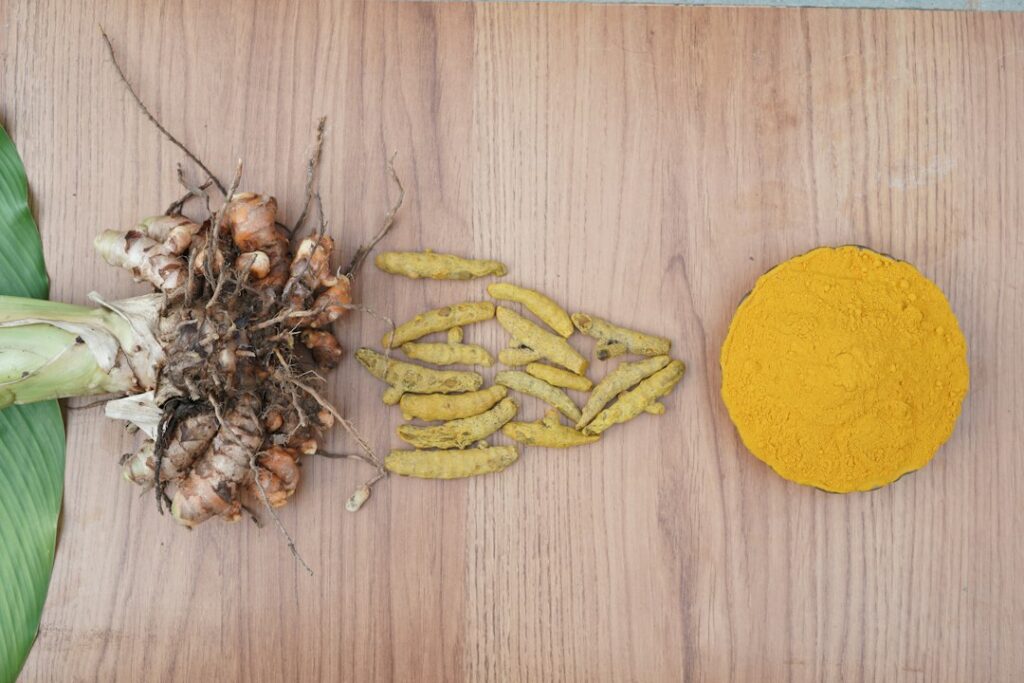
Turmeric root contains only about 3 percent curcumin by weight. When you eat curcumin, two things happen that reduce how much reaches the bloodstream: it dissolves poorly in the watery environment of the gut (it is fat-soluble), and enzymes in the gut wall and liver rapidly break it down. Without intervention, only a tiny fraction of curcumin survives long enough to be absorbed.
This is why many turmeric studies using plain curcumin extract show limited results — the dose that reaches target tissues is far smaller than what was swallowed. Piperine addresses both problems directly.

How Much Black Pepper Do You Need?
Very little. The landmark study used 20 mg of pure piperine alongside 2 g of curcumin. Black pepper contains roughly 5 to 9 percent piperine by weight, which means a quarter teaspoon of freshly ground black pepper (about 600 to 700 mg of pepper) provides 30 to 60 mg of piperine — more than enough. Even a pinch is effective.
More is not better for piperine. Higher amounts do not proportionally increase absorption further, and very high piperine doses can irritate the gut lining. A pinch to a quarter teaspoon per serving is the practical target for food use, while supplements standardised to 5 to 20 mg of piperine per capsule are the standard for supplement products.
The Role of Fat
Because curcumin is fat-soluble, consuming it with fat improves absorption independently of piperine. Cooking turmeric in olive oil, coconut oil or adding it to a dish with avocado or dairy creates a fat-soluble environment that keeps curcumin in solution longer in the gut. For maximum absorption, the combination of piperine plus fat alongside curcumin gives the best result — this is exactly the profile of traditional golden milk made with full-fat milk, turmeric and black pepper.
Evidence-Based Benefits of Turmeric With Black Pepper
Anti-Inflammatory Effects
Curcumin inhibits key inflammatory signalling pathways including NF-κB and COX-2, the same pathways targeted by some anti-inflammatory drugs. With adequate bioavailability through piperine, curcumin can meaningfully reduce circulating inflammatory markers. A 2020 meta-analysis in Nutrients found that curcumin formulations with piperine showed greater efficacy in reducing inflammatory markers compared to plain curcumin.
Joint Health
Several randomised controlled trials in people with knee osteoarthritis and rheumatoid arthritis have found that curcumin reduced pain and stiffness scores, with some studies comparing favourably to ibuprofen at lower doses and with fewer gastrointestinal side effects. The caveat is that most positive trials used high-bioavailability formulations.
Antioxidant Support
Curcumin is a potent antioxidant that neutralises free radicals directly and also activates the body’s own antioxidant defence pathways. With proper absorption, this antioxidant activity is measurable in blood markers.
Gut Health
Some research suggests turmeric may support a healthy gut environment, which connects to broader nutrient absorption. For more on how gut health influences vitamin absorption, see our guide on probiotics and vitamins.
How to Use Turmeric and Black Pepper
You do not need supplements to get the benefit — food works. Here are practical ways to combine them:
- Golden milk: warm milk (dairy or plant-based), a teaspoon of turmeric, a pinch of black pepper, a small amount of fat (coconut oil or butter) and honey to taste.
- Curries and stews: turmeric and black pepper are natural flavour partners — traditional recipes already use both.
- Scrambled eggs: add a pinch of turmeric and black pepper to eggs cooked in butter or olive oil.
- Roasted vegetables: toss with olive oil, turmeric and black pepper before roasting.
- Smoothies: a small pinch of both alongside full-fat yogurt or nut butter covers the fat requirement too.
Who Should Be Cautious?
Turmeric at food amounts is safe for almost everyone. High-dose curcumin supplements (1,000 mg or more per day) deserve more caution for certain groups:
- People taking blood-thinning medicines such as warfarin or clopidogrel — curcumin has mild antiplatelet effects
- People on chemotherapy — curcumin can interact with some chemotherapy drugs; always tell your oncologist about supplements
- People with gallbladder disease — curcumin stimulates bile production, which can worsen gallstone symptoms
- Pregnant women — food amounts are fine; high-dose supplements are not recommended
Frequently Asked Questions
Does eating black pepper with turmeric in food work, or do you need supplements?
Food works well. Cooking turmeric with even a small amount of freshly ground black pepper — especially in the presence of fat — meaningfully improves curcumin absorption. Supplements are useful for higher, standardised doses.
Can I use white pepper instead of black pepper?
No. White pepper contains much less piperine (around 1 to 2 percent) compared to black pepper (5 to 9 percent). Black pepper is specifically needed for the bioavailability effect.
How much turmeric should I take per day?
For culinary use, one to two teaspoons of turmeric powder per day is a reasonable amount. For supplements, most trials have used 500 to 2,000 mg of curcumin with 5 to 20 mg of piperine. Always check with a doctor before starting high-dose curcumin supplements if you take any medicines.
Does cooking destroy curcumin?
Moderate cooking does not significantly destroy curcumin and may actually enhance its solubility in fat. Prolonged high-heat cooking can reduce levels, but typical cooking times for curries, soups and roasted vegetables are fine.
Final Thoughts
Turmeric without black pepper is largely wasted potential. The 2,000 percent bioavailability increase from piperine is not an exaggeration — it is consistent, reproducible data from pharmacokinetic studies. You need only a pinch of freshly ground black pepper per serving, and adding fat takes absorption further still. Whether you use food or supplements, always pair turmeric with black pepper and a fat source, and keep the dose sensible — more curcumin is not always more effective, but getting it absorbed makes all the difference.
This article is for educational purposes only and is not a substitute for professional medical advice, diagnosis or treatment.