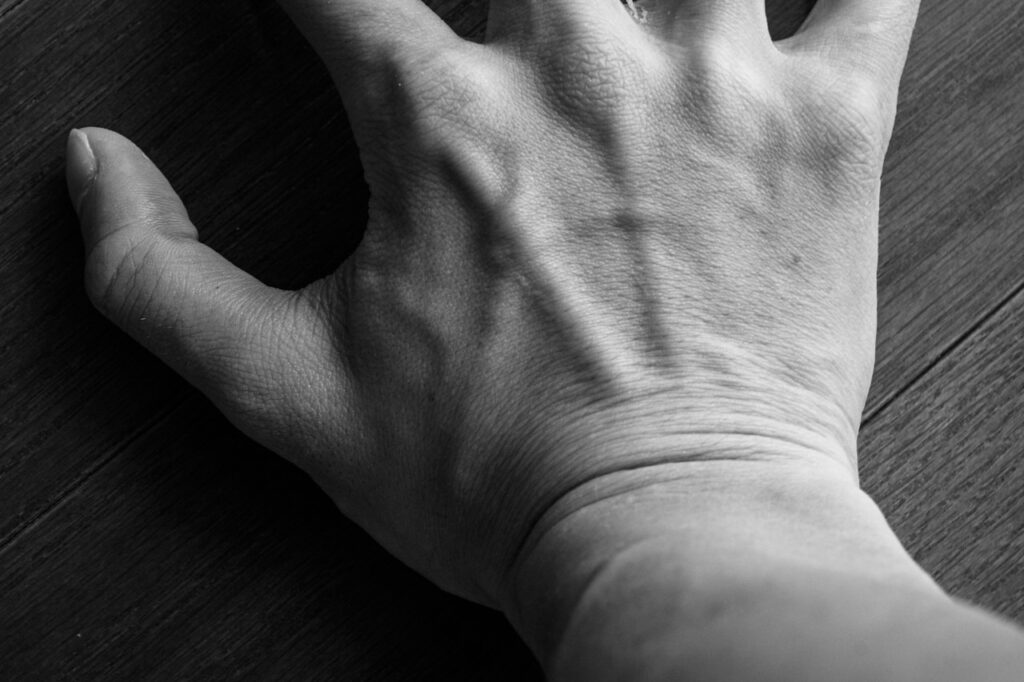
No, there is no proven link. A ganglion cyst is a fluid-filled lump that forms next to a joint or tendon, and medical sources such as Mayo Clinic and the American Academy of Orthopaedic Surgeons (AAOS) say its exact cause is unknown. A vitamin deficiency has not been shown to cause one. Vitamins C, D and B12 still support the connective tissue, bones and nerves around your joints, so this guide explains where nutrition matters and where it does not.
Key Takeaways
- The cause of ganglion cysts is unknown, and no vitamin deficiency has been proven to cause them.
- Ganglion cysts are not cancerous, and some disappear without treatment.
- Vitamin C, vitamin D and vitamin B12 support connective tissue, bones and nerves, but none is a proven treatment for a cyst.
- Tingling or numbness near a cyst is more often caused by pressure on a nerve than by a vitamin shortage, though a blood test can check your B12 level.
- Any new lump should be examined by a doctor.
What Is a Ganglion Cyst?
A ganglion cyst is a noncancerous, round or oval lump filled with a thick, jelly-like fluid that develops along a joint or tendon. It most often appears on the wrist or hand, and it can also occur on the ankles, feet and knees. Some ganglion cysts are only pea-sized, and the size of a cyst can change over time.
The fluid inside the cyst is similar to the lubricating fluid found in joints and around tendons. AAOS compares the shape to a balloon on a stalk: the cyst bulges out from a joint or tendon sheath and stays connected to it through a narrow stalk, as the illustration below shows.
%3C/text%3E%3C/g%3E%3C/svg%3E)
Most ganglion cysts cause no symptoms apart from a visible lump. When a cyst presses on a nearby nerve, it can cause pain, tingling, numbness or muscle weakness, and a cyst close to a joint can limit movement. Activity often makes the lump larger, while a wrist brace or splint may relieve symptoms and make it shrink, according to AAOS.
Can a Vitamin Deficiency Cause a Ganglion Cyst?
No research has shown that a vitamin deficiency causes a ganglion cyst. Mayo Clinic states that no one knows what causes ganglion cysts, and AAOS says doctors do not know exactly why a cyst forms. Neither source names a nutrient shortage as a cause.
The risk factors that Mayo Clinic lists include sex, age, osteoarthritis in the finger joints and previous joint or tendon injuries. Vitamin status is not on that list.
This matters because some websites present a cyst as a sign that your body is low in a specific nutrient. That claim is not supported by the medical sources doctors rely on. A vitamin pill will not make a ganglion cyst disappear, and chasing a nutritional explanation can delay the diagnosis of a lump that needs a proper examination.
Who Is Most Likely to Develop a Ganglion Cyst?
Ganglion cysts can develop in anyone, but they occur most often in women between the ages of 20 and 40, according to Mayo Clinic. Joints or tendons that have been injured are also more likely to develop one.
- Women aged 20 to 40: this group is affected most often.
- Previous joint or tendon injury: an injured joint or tendon is more likely to develop a cyst.
- Osteoarthritis in the finger joints: this is linked with small cysts on the fingers.
- Children: children of all ages can get ganglion cysts too.
- Heavy or repetitive joint use: this does not appear to start a cyst, but it can make an existing one larger.
Nothing on this list involves diet or vitamin intake.
Why Do People Link Ganglion Cysts to Vitamin Deficiency?
People link ganglion cysts to vitamin deficiency because the two share overlapping symptoms and affect the same areas of the body. Joint aches, hand tingling, fatigue and unexplained lumps all send people searching for a nutritional explanation, and some of those symptoms genuinely do come from low vitamin levels.
- Hand and wrist symptoms overlap. A cyst pressing on a nerve and a low vitamin B12 level can both cause tingling or numbness in the hands.
- Connective tissue depends on nutrition. Tendons and joint capsules are connective tissue, and the body needs vitamin C to make collagen. It is tempting to assume that a deficiency must damage the joint lining and cause a cyst, but that step is an assumption, not an established finding.
- A lump feels like a message. People naturally look for a cause they can control, and diet feels controllable.
Which Vitamins Support Joints, Tendons and Nerves?
Vitamin C, vitamin D and vitamin B12 are the three vitamins most often connected to joint, bone and nerve health. Each has a documented role in the body, but none has been proven to prevent or shrink a ganglion cyst. The table below summarizes what each one does and what the U.S. National Institutes of Health (NIH) recommends for adults.
| Vitamin | What it does | What a deficiency can cause | Adult daily RDA (NIH) |
|---|---|---|---|
| Vitamin C | Needed to make collagen, a key part of connective tissue | Scurvy: fatigue, widespread connective tissue weakness and fragile capillaries | 90 mg (men), 75 mg (women) |
| Vitamin D | Helps the body absorb calcium for bones and supports muscle function | Weak bones, bone pain and muscle weakness | 600 IU (15 mcg) up to age 70; 800 IU (20 mcg) after 70 |
| Vitamin B12 | Supports nerve function and red blood cell formation | Numbness or tingling in the fingers and toes, fatigue and anemia | 2.4 mcg |
Vitamin C and Connective Tissue
Vitamin C is required for the body to build collagen, the main structural protein in tendons, ligaments and joint capsules. According to the NIH Office of Dietary Supplements, a severe shortage causes scurvy, which is marked by fatigue, widespread connective tissue weakness and fragile capillaries.
Scurvy is rare in people who eat fruit and vegetables regularly. Getting enough vitamin C from food supports normal collagen production, but it is not a treatment for a ganglion cyst.
Vitamin D, Bones and Muscles
Vitamin D helps the intestines absorb calcium, which keeps bones strong and supports normal muscle function. Low vitamin D can cause bone pain and muscle weakness, which can be mistaken for joint problems. You can read more in our guide to the warning signs of vitamin D deficiency.
The NIH Office of Dietary Supplements lists sunlight, fatty fish, egg yolks and fortified foods such as milk as common sources.
Vitamin B12 and Nerve Function
Vitamin B12 keeps nerves and red blood cells healthy, and low levels commonly cause numbness or tingling that starts in the fingers and toes. Vitamin B12 occurs naturally in animal foods, so people who eat a plant-based diet rely on fortified foods or supplements. Adults over 50 and people with digestive absorption problems are also at higher risk of low levels, as described by the NIH Office of Dietary Supplements.
Is Tingling Near a Ganglion Cyst a Sign of Vitamin Deficiency?
Tingling near a ganglion cyst is more likely caused by the cyst pressing on a nearby nerve than by a vitamin deficiency. Cyst-related symptoms stay close to the lump, while tingling from low vitamin B12 typically starts in the fingers and toes and is not tied to one lump.
It is still reasonable to ask your doctor about a vitamin B12 blood test if you notice any of the following:
- Persistent tiredness with no clear cause
- Tingling or numbness in your fingers or toes, not just near a lump
- A vegan or vegetarian diet, or a condition that affects nutrient absorption
- Being over 50
A blood test is the only reliable way to know whether a vitamin level is low. Guessing and taking high-dose supplements is not a safe substitute.
How Is a Ganglion Cyst Treated?
A ganglion cyst that causes no symptoms usually needs no treatment, and some cysts go away on their own. When a cyst is painful or limits movement, doctors can treat it with a splint, needle drainage or surgery.
- Watchful waiting: if the cyst does not hurt, your doctor may suggest simply monitoring it over time.
- Wrist brace or splint: AAOS notes that a brace may relieve symptoms and sometimes makes the cyst shrink.
- Aspiration: after numbing the area, a doctor uses a needle to withdraw the fluid. The cyst returns in many cases because the sac and stalk remain.
- Surgery (excision): a surgeon removes the cyst and its connection to the joint or tendon if symptoms continue or the cyst keeps coming back.
A cyst can return even after treatment. Doctors advise against trying to burst or drain a cyst yourself, because this can cause injury or infection and does not remove the stalk.
When Should You See a Doctor About a Lump?
You should see a doctor about any new lump you cannot explain, and sooner if it is painful, growing or affecting how your hand or joint moves. A doctor can usually diagnose a ganglion cyst with a physical exam and may use imaging such as ultrasound or MRI to find a hidden cyst or rule out other causes.
Book an appointment promptly if you notice:
- Pain, numbness, tingling or weakness in the hand, wrist or foot
- A lump that is growing quickly or keeps changing
- Redness, warmth or fluid leaking from the skin over the lump
- Difficulty moving the joint or gripping objects
- A lump whose cause nobody has confirmed
How Can You Support Joint and Connective Tissue Health Through Diet?
A balanced diet that includes sources of vitamin C, vitamin D and vitamin B12 supports the connective tissue, bones and nerves around your joints. Food should come first, and supplements are most useful when a blood test or a doctor shows that you need them.
- Vitamin C foods: citrus fruits, strawberries, bell peppers and broccoli.
- Vitamin D sources: fatty fish, egg yolks, fortified milk and sensible sun exposure.
- Vitamin B12 foods: fish, meat, poultry, eggs and dairy, plus fortified cereals for people on plant-based diets.
For more nutrient-dense options, see our guide to foods that boost your immune system. If you are considering vitamin D supplements, our article on vitamin D3 and K2 benefits explains why these two nutrients work together.
Avoid taking high-dose supplements just in case. Fat-soluble vitamins such as vitamin D can build up in the body, so ask your doctor to check your levels before you start high doses.
Frequently Asked Questions
Can low vitamin D cause a ganglion cyst?
No. Vitamin D supports bones and muscles, and low levels can cause bone pain and muscle weakness, but no evidence shows that it causes ganglion cysts. Medical sources say the cause of ganglion cysts is unknown. If you are worried about your vitamin D level, a simple blood test can check it.
Will a ganglion cyst go away on its own?
Many do. Mayo Clinic notes that some ganglion cysts go away on their own, and AAOS says a cyst may disappear over time. If a cyst causes no pain and does not limit your activities, doctors often suggest simply watching it.
Are ganglion cysts cancerous?
No. Ganglion cysts are not cancerous, according to Mayo Clinic and AAOS. A doctor should still examine any new lump, because a physical exam and sometimes imaging are how a cyst is told apart from a solid growth.
Can vitamins or supplements shrink a ganglion cyst?
No vitamin or supplement has been shown to shrink a ganglion cyst. AAOS says a wrist brace or splint may reduce symptoms and size, and a doctor can drain or remove a cyst that causes problems.
Should I pop or hit a ganglion cyst at home?
No. Doctors advise against bursting a cyst at home because it can cause pain, injury or infection, and the cyst can come back since the stalk stays connected to the joint or tendon. A doctor can drain it safely with a needle.
Can a ganglion cyst come back after treatment?
Yes. A cyst can return after drainage, and sometimes after surgery. AAOS notes that in many cases the cyst returns after aspiration. If it comes back and bothers you, discuss surgery with a hand or orthopaedic specialist.
Final Thoughts
A ganglion cyst is a common, noncancerous lump whose cause is still unknown, and there is no evidence that a vitamin deficiency creates one. Vitamins C, D and B12 are still worth getting in adequate amounts because they support connective tissue, bones and nerves, but they will not make a cyst go away. If you have a lump that is painful, growing or worrying you, a doctor’s exam is the fastest route to a clear answer.
This article is for educational purposes only and is not a substitute for professional medical advice, diagnosis or treatment.
Sources
- Mayo Clinic: Ganglion cyst, symptoms and causes
- AAOS OrthoInfo: Ganglion Cyst of the Wrist and Hand
- NIH Office of Dietary Supplements: Vitamin C Fact Sheet for Health Professionals
- NIH Office of Dietary Supplements: Vitamin D Fact Sheet for Health Professionals
- NIH Office of Dietary Supplements: Vitamin B12 Fact Sheet for Health Professionals