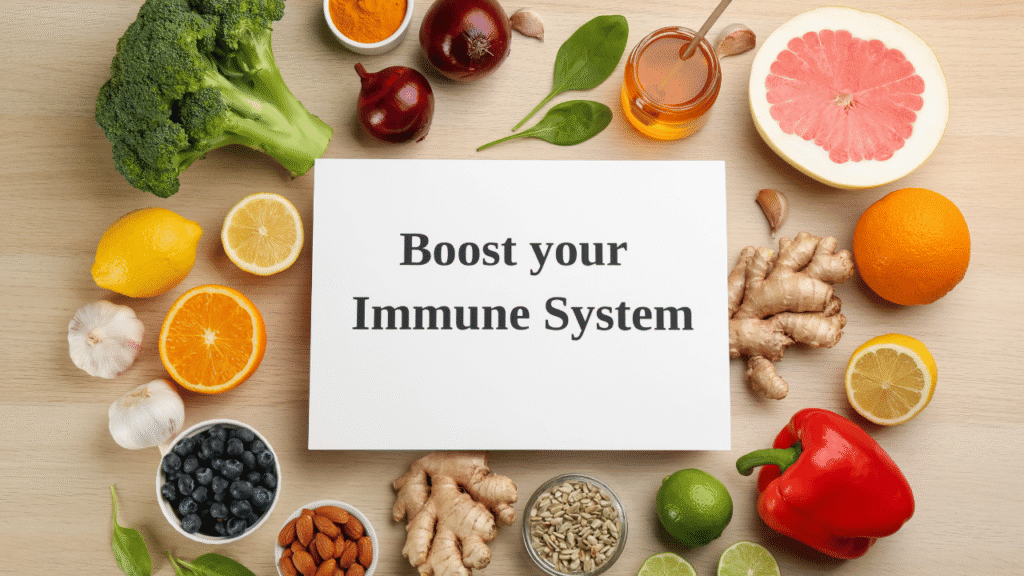
Forget the “magic” green juices and the expensive, dusty supplements sitting in your cabinet. I’ve spent years looking at the data, and the reality is that your immune system isn’t a flame you can just fan with a single “superfood.” It is a complex, biological surveillance network that requires specific raw materials to function. According to a landmark study in Nature, nearly 80% of your immune system is influenced by environmental factors and lifestyle—not just genetics—which means your grocery list is effectively your primary defense contract.
I want to cut through the marketing noise and show you exactly what to put on your plate to actually move the needle. We’re moving past the surface-level advice to explore the specific biochemical triggers found in common foods. In this guide, you’ll learn why zinc-dependent enzymes are the real heroes of wound healing and how diversifying your fiber intake can fundamentally reprogram your gut’s inflammatory response.
Let’s dive into the science-backed fuel that keeps your internal security team on high alert!
Should we start by breaking down the micronutrients found in shellfish and seeds, or would you prefer to jump straight into the probiotic-immune connection?
Beyond the Vitamin C Myth: How Food Refuels Your Defense
We’ve all been told to chug orange juice the moment we feel a tickle in our throat. But as a nutrition strategist, I can tell you that “boosting” your immunity isn’t about a one-time rescue mission; it’s about consistent biological maintenance. Your immune system is an elite security team. If you don’t provide the right rations, the guards fall asleep at the post.
In this guide, we aren’t looking at “superfood” trends. We are looking at the specific cellular requirements that allow your T-cells and B-cells to hunt down pathogens effectively.
Which Micronutrients Drive Immune Function?
To understand what to eat, we have to understand what your cells are hungry for. The following micronutrients act as the “software” that runs your hardware.
1. Vitamin C: The White Blood Cell Fuel
Vitamin C is legendary for a reason. It encourages the production of white blood cells known as lymphocytes and phagocytes, which help protect the body against infection.
- Top Sources: Red bell peppers (which actually contain more Vitamin C than oranges!), strawberries, broccoli, and kiwi.
- Pro Tip: Vitamin C is heat-sensitive. To get the maximum punch, eat these raw or lightly steamed.
2. Zinc: The “Gatekeeper” of Immunity
Zinc is a trace mineral, but its absence is catastrophic. It is essential for immune cell development and “cell signaling.” Without enough zinc, your immune response becomes sluggish and uncoordinated.
- Top Sources: Oysters, grass-fed beef, chickpeas, and pumpkin seeds.
3. Vitamin D: The Sunlight Hormone
Most people think of Vitamin D for bones, but it actually modulates the innate and adaptive immune responses. A deficiency is consistently linked to increased susceptibility to infection.
- Top Sources: Salmon, mackerel, egg yolks, and fortified mushrooms.
The Gut-Immune Connection: Why Your Microbiome Matters
Did you know that nearly 70% to 80% of your immune system lives in your gut? This is a game-changer for how we view nutrition. If your gut lining is inflamed or your “good” bacteria are outnumbered, your systemic immunity suffers.
The Power of Fermentation
Fermented foods introduce “probiotics” (beneficial bacteria) into your system. These bacteria train your immune system to distinguish between friend and foe.
- Kimchi & Sauerkraut: Rich in Lactobacillus strains.
- Kefir: A fermented milk drink that often outperforms yogurt in probiotic diversity.
- Miso: A traditional Japanese seasoning that supports digestive enzymes.
Prebiotics: Feeding the Guards
Probiotics are the soldiers; prebiotics are their fuel. These are non-digestible fibers that your beneficial bacteria eat to survive.
- Best Prebiotics: Garlic, onions, leeks, asparagus, and slightly underripe bananas.
| Food Category | Key Nutrient | Specific Benefit |
|---|---|---|
| Citrus Fruits | Vitamin C | Increases white blood cell production |
| Shellfish | Zinc | Essential for immune cell signaling |
| Leafy Greens | Vitamin A & E | Protects cell membranes from oxidation |
| Yogurt/Kefir | Probiotics | Regulates gut-associated lymphoid tissue |
| Turmeric | Curcumin | Reduces systemic inflammation |
What Are the Best Anti-Inflammatory Foods?
Chronic inflammation is like a “false alarm” that keeps your immune system distracted. When your body is busy fighting inflammation caused by poor diet, it has fewer resources to fight actual viruses.
Turmeric and Ginger
These roots aren’t just for flavor. Curcumin (found in turmeric) is a potent anti-inflammatory compound. Actionable Step: Always pair turmeric with black pepper; the piperine in pepper increases curcumin absorption by 2,000%!
Berries (Anthocyanins)
Blueberries and blackberries are packed with flavonoids called anthocyanins. These have powerful antioxidant effects that can reduce the incidence of upper respiratory tract infections.
Frequently Asked Questions
Can I boost my immune system in 24 hours?
No. The immune system is a complex network, not a light switch. While hydration and rest help immediate function, meaningful “boosting” requires consistent nutrient intake over weeks to build up cellular reserves.
Does sugar weaken the immune system?
Yes. Research suggests that high sugar intake can “paralyze” phagocytes—the cells that engulf bacteria—for several hours after consumption. Reducing refined sugar is one of the fastest ways to improve immune resilience.
Are supplements better than whole foods?
Generally, no. Whole foods provide a “synergy” of nutrients. For example, a bell pepper provides Vitamin C along with bioflavonoids that help your body use that vitamin more effectively than a synthetic pill.
Is garlic actually effective for colds?
Garlic contains allicin, which has antimicrobial properties. Some studies show that regular garlic consumption can reduce the frequency of colds, though it is more effective as a preventative measure than a “cure.”
How much water should I drink for immunity?
Hydration is vital because lymph—the fluid in your circulatory system that carries immune cells—is largely made of water. Aim for half your body weight in ounces daily.
Implementation: Your 3-Day Immune Kickstart Plan
To move from theory to action, try this “Immune-First” approach for the next 72 hours:
- Breakfast: Greek yogurt topped with blueberries, chia seeds, and a drizzle of raw honey.
- Lunch: A massive spinach salad with sliced red bell peppers, pumpkin seeds, and grilled salmon.
- Dinner: A stir-fry featuring ginger, garlic, turmeric, broccoli, and your choice of lean protein (tofu or chicken).
- Snack: One Brazil nut (provides your daily dose of Selenium) and a piece of citrus fruit.
Summary: Building a Bulletproof Plate
Strengthening your immune system isn’t about finding a “secret” food; it’s about eliminating the friction of poor nutrition and providing the high-quality fuel your cells require. Focus on color, fermentation, and mineral-dense proteins.
When you treat your grocery store like a pharmacy, your body responds with resilience. You’ll notice better energy, faster recovery, and fewer days spent feeling “under the weather.”
FAQ Summary
- What foods boost the immune system quickly? Citrus, ginger, and garlic provide immediate phytonutrients.
- Does Vitamin D help with viruses? Yes, it modulates the adaptive immune response.
- Are eggs good for immunity? Yes, they provide Vitamin D, Zinc, and Protein.
- What is the #1 immune-boosting fruit? Red bell peppers (botanically a fruit) and Kiwi.
- How does gut health affect immunity? 80% of immune cells reside in the gut.