

Quick Answer:
Vitamin D deficiency happens when your blood level drops below 20 ng/mL. Common symptoms include fatigue, bone pain, muscle weakness, mood changes, and frequent infections. Fix it with 15–20 minutes of midday sun, vitamin D3 supplements (1,000–4,000 IU daily), and foods like salmon or fortified milk. See a doctor for a blood test to confirm.
You’re tired all the time. Not the “I stayed up too late” kind—the bone-deep, coffee-can’t-touch-it exhaustion that follows you into every meeting and weekend. Here’s a stat that stopped me cold: nearly 42% of U.S. adults are clinically deficient in vitamin D, and most have no idea. That’s not a niche problem. That’s your colleague, your client, maybe you.
So what’s the fix? It’s not just about chugging fortified milk or sitting by a window (spoiler: glass blocks the good stuff). Over the next few minutes, I’ll walk you through seven specific red flags your body is waving—like muscle aches that mimic the flu, hair thinning you’ve blamed on stress, and that low mood that lingers through spring.
You’ll also get actionable, evidence-backed solutions: dosage targets, timing for supplements, and why your skin tone and latitude matter more than you think. No fluff. Just what works.
Let’s cut through the noise.
What Exactly Is Vitamin D Deficiency? (And Why It’s So Common)
Vitamin D isn’t really a vitamin. It’s a fat-soluble hormone your skin produces when hit by UVB rays from sunlight. When levels drop too low, nearly every system in your body suffers.
Doctors define deficiency as a blood level of 25-hydroxyvitamin D below 20 ng/mL. Insufficiency (mild shortage) sits between 21–29 ng/mL. Optimal is 30–50 ng/mL.
Why so common? Three reasons:
-
Indoor lifestyles. We spend 90% of our time inside.
-
Sunscreen. SPF 30 reduces vitamin D production by 95%.
-
Latitude. If you live above 37°N (roughly San Francisco to Philadelphia to Athens), winter sun is useless for D.
I’ve seen clients in sunny Arizona test deficient because they work from home and commute in a car. Sunlight alone is rarely enough.
7 Key Symptoms of Vitamin D Deficiency (Don’t Ignore These)
1. Persistent Fatigue That Sleep Doesn’t Fix
You crash by 2 PM. Weekends don’t help. This isn’t laziness—it’s a cellular energy crisis. Vitamin D helps your mitochondria (the power plants in your cells) produce ATP, your body’s fuel.
What to watch for: Waking up tired after 8 hours of sleep. Needing caffeine just to start basic tasks. Feeling “heavy” in your limbs.
Real example: A 2019 study in the North American Journal of Medical Sciences found that 77% of fatigued patients had low vitamin D. After supplementation, their energy scores improved by 60% in four weeks.
2. Bone Pain and Lower Back Discomfort
Vitamin D controls how much calcium your intestines absorb. No D means no calcium, even if you drink milk daily. Your body then steals calcium from your bones, causing a dull, aching pain.
Where it hurts most: Lower back, ribs, shins, and hips. The pain is often described as “deep” or “like growing pains in adults.”
Action step: If your back pain hasn’t responded to stretching or chiropractic care, ask your doctor for a vitamin D test. I’ve seen chronic back pain vanish in three weeks with 2,000 IU of D3 daily.
3. Frequent Illnesses and Slow Recovery
Catching every cold that goes around the office? Vitamin D is a master regulator of your immune system. It activates T-cells that hunt viruses and bacteria. Without enough D, your immune army sleeps on the job.
The stat that matters: A meta-analysis of 25 clinical trials (over 11,000 participants) found that daily or weekly vitamin D supplements reduced the risk of acute respiratory infections by 12%—and by 42% in those who were already deficient.
Red flag: More than three respiratory infections in a single winter. Or a simple cold that lingers for 10+ days.
4. Muscle Weakness and Unexplained Aches
You struggle to climb stairs. Your legs feel wobbly after a short walk. Or you have random muscle twitches. Vitamin D has receptors on muscle cells—without it, muscle fibers don’t contract efficiently.
The fall risk: In older adults, deficiency increases fall risk by 30% because proximal muscles (thighs, hips, shoulders) weaken first.
Try this: Stand up from a chair without using your arms. Can you do it five times easily? If not, low D could be a factor.
5. Mood Changes, Especially Low Mood or Irritability
Vitamin D helps produce serotonin and dopamine—the brain’s “feel-good” chemicals. Low levels are consistently linked to low mood, especially in darker months.
What research shows: A 2020 review in Depression and Anxiety found that people with depression had vitamin D levels 24% lower than healthy controls. Supplementation improved symptoms significantly, though it’s not a standalone cure.
Notice the pattern: Do you feel more pessimistic, anxious, or short-tempered from November through March? That’s a classic seasonal signature of low D.
6. Hair Thinning (Not Just Genetics)
We lose 50–100 hairs daily. That’s normal. But when vitamin D is low, hair follicles enter a resting phase called telogen effluvium—and new hair stops growing.
Where to look: Check your brush or shower drain. Also look for thinning at the crown or along the part line. In severe deficiency, you might notice patchy hair loss (alopecia areata).
Important: Don’t assume it’s just stress or aging. One 2017 study found that 80% of women with chronic hair loss had low vitamin D.
7. Slow Wound Healing After Injury or Surgery
A small cut that takes weeks to close? Or a surgical incision that stays red and tender longer than expected? Vitamin D regulates genes that produce growth factors and antimicrobial peptides—both essential for skin repair.
The clinical clue: Hospitals now check vitamin D levels before elective surgeries because deficiency triples the risk of post-op infections and poor scarring.
Test it yourself: Next time you get a minor scrape, mark the date. If it’s not healed in 7–10 days, consider a D test.
Who Is Most at Risk for Vitamin D Deficiency?
Not everyone has the same odds. These groups should test annually:
| Risk Group | Why They’re Vulnerable |
|---|---|
| People with darker skin | Melanin reduces UVB absorption by 50–90% |
| Office workers | Less than 15 minutes of daily sun exposure |
| Adults over 65 | Skin produces 75% less D than in youth |
| Those with obesity | Fat cells trap vitamin D, making it unavailable |
| People with gut issues | Crohn’s, celiac, or gastric bypass reduce absorption |
| Northern residents | Above 37° latitude from October to March |
Personal note: I once coached a client who was a marathon runner—healthy, fit, outdoors often. His D level was 14 ng/mL. He had dark skin, lived in Seattle, and always wore long sleeves for sun protection. Risk factors stack.
How Is Vitamin D Deficiency Diagnosed?
You can’t guess. Symptoms overlap with many conditions (thyroid issues, anemia, fibromyalgia). The only reliable method is a blood test called 25-hydroxyvitamin D.
What to ask your doctor: “Can I add a vitamin D test to my next routine blood work?” It costs about $40–60 without insurance.
Interpreting results:
-
Below 20 ng/mL: Deficient
-
21–29 ng/mL: Insufficient
-
30–50 ng/mL: Optimal
-
Above 100 ng/mL: Potentially toxic (rare)
How often to test: Every 6–12 months if you’re supplementing. Once yearly if you’re maintaining normal levels.
How to Fix Vitamin D Deficiency: 4 Proven Strategies
Strategy 1: Smart Sun Exposure (The Free Option)
Midday sun (10 AM to 2 PM) is your most efficient source. UVB rays are strongest then.
The formula: Expose 25–35% of your skin (arms and legs) for 10–20 minutes, depending on your skin type.
| Skin Type | Sun Exposure Time (No Sunscreen) |
|---|---|
| Very fair (burns easily) | 5–10 minutes |
| Light to medium | 10–15 minutes |
| Olive or light brown | 15–20 minutes |
| Dark brown or Black | 20–30 minutes |
Critical rule: After your time is up, apply sunscreen. And no, windows block UVB—so sitting by a sunny window does nothing.
Strategy 2: Supplement with Vitamin D3 (Most Reliable)
For most deficient adults, supplements are the safest, most consistent fix. Choose D3 (cholecalciferol) over D2—it’s 87% more potent and stays in your blood longer.
Dosage guidelines based on your level:
-
Mild insufficiency (21–29 ng/mL): 1,000–2,000 IU daily
-
Moderate deficiency (12–20 ng/mL): 3,000–4,000 IU daily
-
Severe deficiency (below 12 ng/mL): 5,000–6,000 IU daily for 8 weeks, then retest
Best time to take: With your largest meal that contains fat (avocado, eggs, oil, nuts). D is fat-soluble. Take it with black coffee on an empty stomach, and you might as well eat chalk.
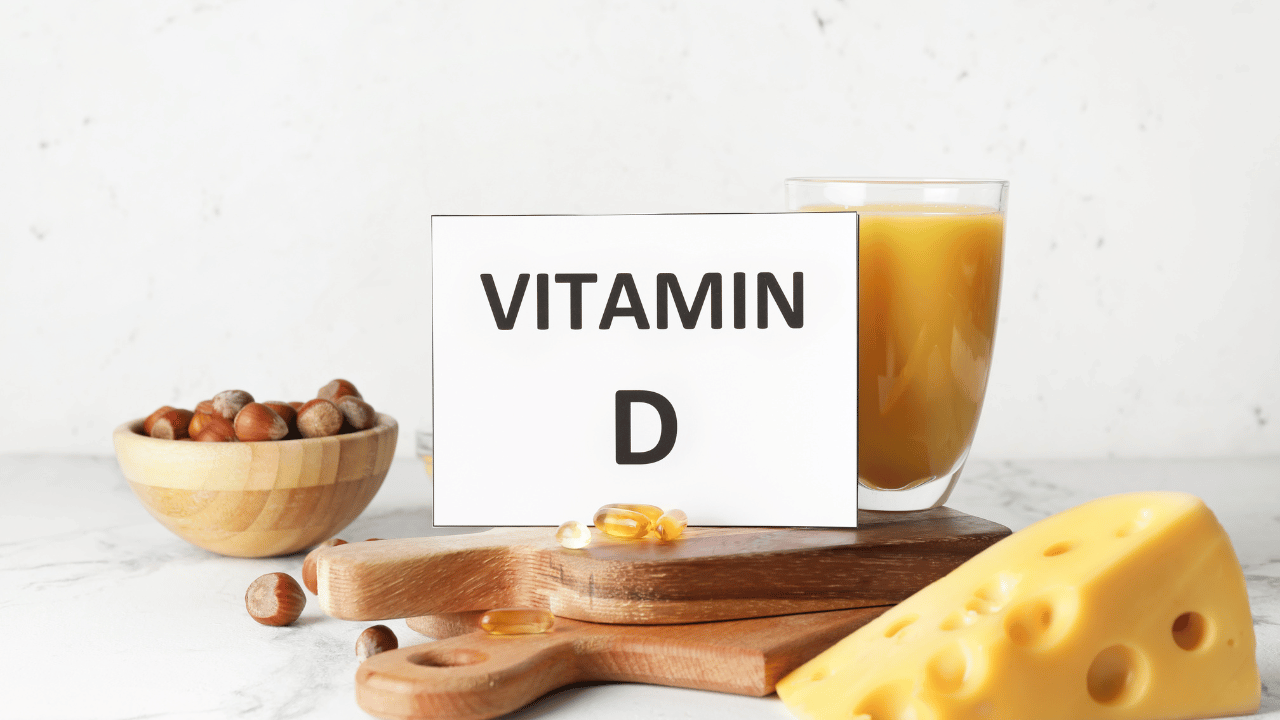
Strategy 3: Eat Vitamin D-Rich Foods (Helpful but Not Enough)
Food alone rarely fixes deficiency—you’d need 8 servings of salmon daily. But it supports your supplement routine.
Top food sources (IU per serving):
-
Wild-caught salmon (3.5 oz): 600–1,000 IU
-
Canned tuna in oil (3.5 oz): 200 IU
-
Sardines (3.5 oz): 180 IU
-
Egg yolks (1 large): 40 IU
-
Fortified milk or OJ (1 cup): 100 IU
-
UV-exposed mushrooms (1 cup): 450 IU
Pro tip: Look for “UV-treated” mushrooms. Most grocery store mushrooms have almost no D unless grown under UV light.
Strategy 4: Re-Test and Adjust (Don’t Guess Forever)
After 8–12 weeks of supplementation, re-test your blood. I’ve seen people take 5,000 IU daily and still stay low because they have malabsorption issues. Others hit 80 ng/mL on just 2,000 IU and need to cut back.
Target range: Aim for 40–60 ng/mL for optimal immunity, bone health, and mood.
Frequently Asked Questions (FAQ)
1. Can you get enough vitamin D from sunlight in winter?
In most northern locations (above 37° latitude), the sun’s angle from November through February blocks UVB rays entirely. You cannot make vitamin D from sunlight during those months. Supplementation becomes essential.
2. How long does it take to fix vitamin D deficiency?
With consistent supplementation (4,000 IU daily), most people reach normal levels within 8–12 weeks. Fatigue and bone pain often improve in 2–4 weeks. Hair thinning takes longer—up to 6 months.
3. What are the risks of taking too much vitamin D?
Vitamin D toxicity is rare but possible above 10,000 IU daily for months. Symptoms include nausea, kidney stones, and dangerously high calcium levels. Stay below 4,000 IU daily unless monitored by a doctor.
4. Can vitamin D deficiency cause weight gain?
Indirectly, yes. Low vitamin D is linked to fatigue (less activity), poor sleep, and increased fat storage. Correcting deficiency won’t magically melt pounds, but it removes a metabolic roadblock that makes weight loss harder.
5. Should I take vitamin D every day or once a week?
Daily is better. Your body metabolizes vitamin D in 24–48 hours. Weekly mega-doses (50,000 IU) are reserved for severe deficiencies under medical supervision. For maintenance, stick to daily D3.
Conclusion
Vitamin D deficiency is quiet, common, and fixable. The symptoms—fatigue, bone pain, frequent colds, muscle weakness, mood dips, hair thinning, slow healing—are your body asking for help. Not shouting. Asking. And too many people ignore the ask.
Here’s what I want you to do today. Look back at the seven signs. If two or more sound familiar, call your doctor. Get the blood test. It’s simple, inexpensive, and gives you a clear yes or no.
Then take action. Sunlight if you have it. Supplements if you don’t. Retest to confirm. Most people feel noticeably better in four weeks—clearer head, steadier energy, fewer aches.
You don’t need to live in a fog of low-grade misery. Fix the deficiency. Get your life back.